Introduction
Danny Murphy, a former professional footballer and current football analyst, has been making waves in the sports media landscape. His transition from player to pundit demonstrates the increasing importance of experienced athletes in shaping public understanding of the game. With a career spanning over two decades, Murphy’s insights and commentary have resonated widely among fans and aspiring players alike, making his role pivotal in the current football narrative.
Career Background
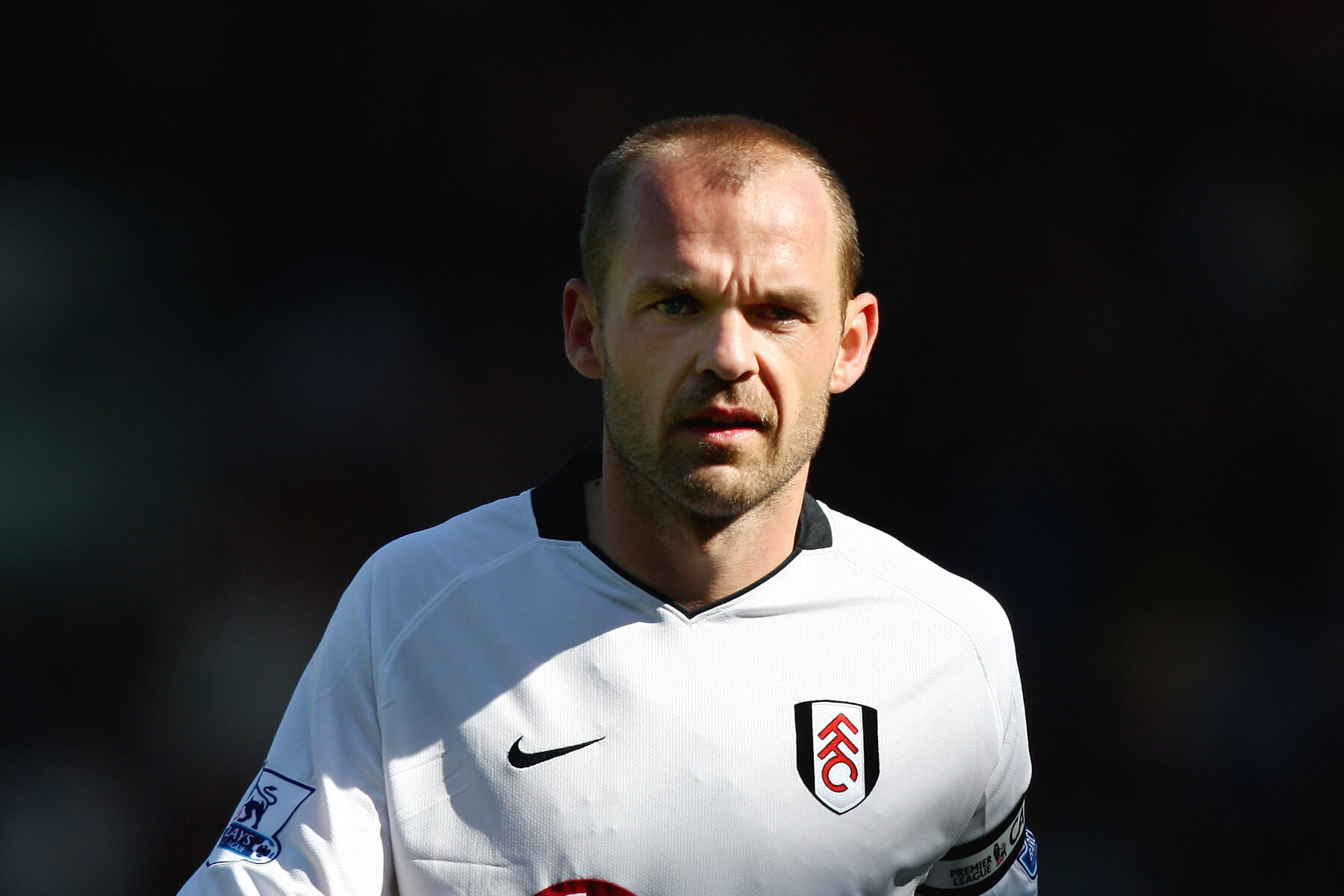
Born in 1977 in Liverpool, Murphy’s football journey began at the youth level with Liverpool FC. He made his professional debut in 1995 and played a significant role in the club until 2004, winning multiple trophies, including the UEFA Champions League. After stints at clubs such as Charlton Athletic and Fulham, Murphy retired in 2016. His experience on the pitch provided a solid foundation for his transition to media, where he has taken up roles with various broadcasters including BBC Sport and Talksport.
Current Media Role
As a football analyst, Murphy has carved a niche for himself with his articulate and passionate discussions about the game. He regularly appears on televised punditry shows, providing critical analysis and unique perspectives on Premier League matches. Recently, Murphy has caught attention through his assessments of player performances and managerial strategies, often advocating for a more analytical approach to understanding football dynamics.
In 2023, he made headlines with his commentary on the impact of VAR (Video Assistant Referee) in football, arguing for greater transparency and improved communication between referees and teams. His views have sparked debates among fans and other pundits, highlighting a growing trend of analysts taking on more influential roles in discussing game rules and regulations.
Impact on Football Discussion
Murphy’s contributions to football analysis have not gone unnoticed. His ability to break down complex football scenarios in an accessible manner appeals to both casual viewers and die-hard fans. This has led to a significant following on social media, where he engages with audiences and responds to current football events. His insights often bridge the gap between professional analysis and fan expectations, enriching the overall football dialogue.
Conclusion
As the role of former players in media continues to evolve, Danny Murphy stands out as a prime example of how experienced voices can greatly influence the sport’s conversations. Looking to the future, we can expect Murphy to continue shaping the narrative around football, especially as issues like technology in sports and youth development gain prominence. His journey from a professional footballer to a respected analyst shows that the influence of athletes can extend far beyond the pitch, making them crucial players in the world of sports commentary.