Introduction
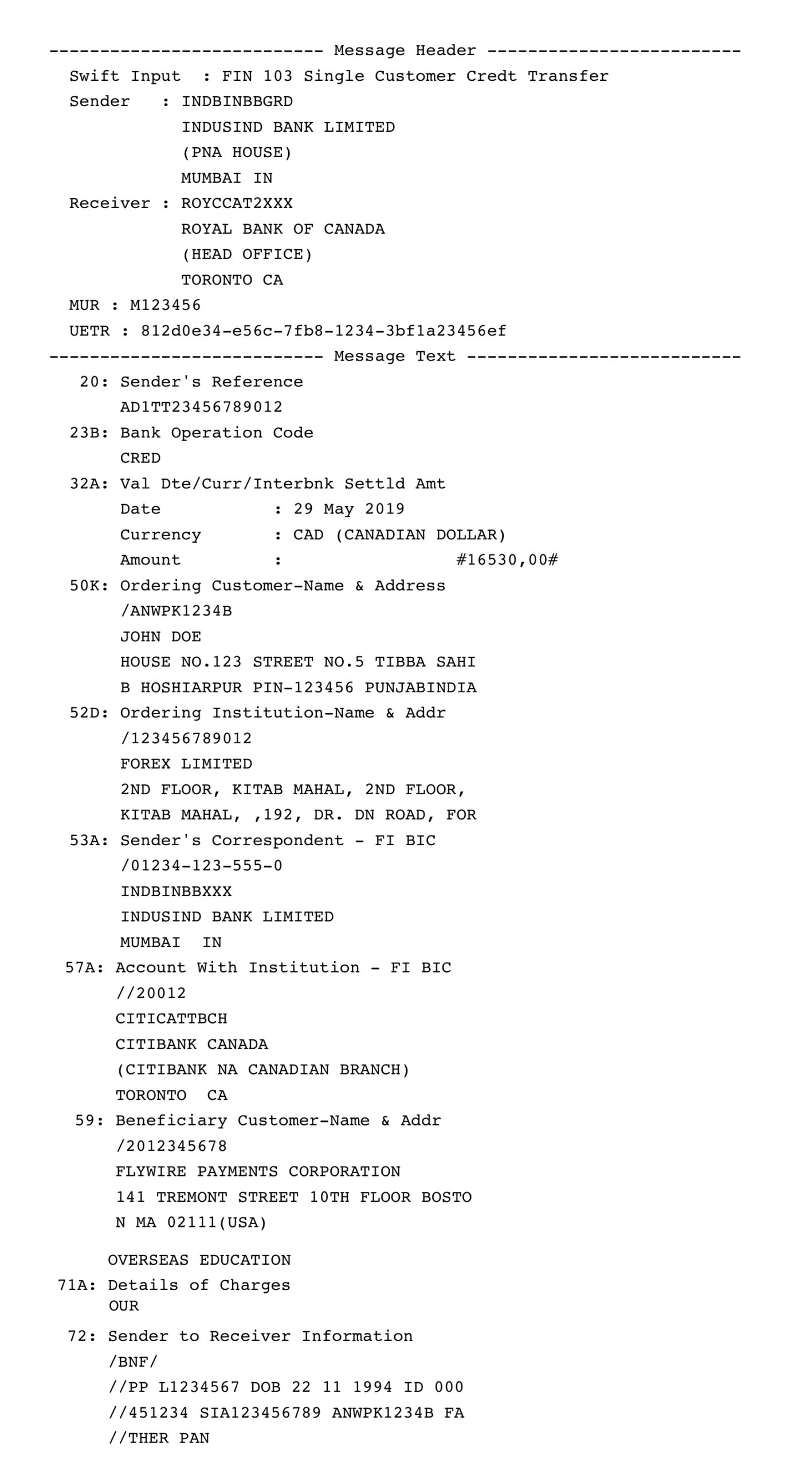
In an increasingly interconnected world, money transfer services play a crucial role in the global economy. These services enable individuals and businesses to send and receive funds across borders quickly and securely. With the rise of digital technology and financial innovation, understanding the dynamics of money transfers has become essential for consumers and businesses alike.
The Changing Landscape of Money Transfers
Historically, money transfers involved lengthy processes, often requiring physical visits to banks or money transfer agents. However, the past decade has seen tremendous advancements, particularly with the advent of online platforms and mobile applications. Companies like PayPal, TransferWise (now Wise), and remittance services such as Western Union have revolutionised the industry, allowing for instantaneous transfers at the click of a button.
According to a report by the World Bank, global remittances to low- and middle-income countries reached $540 billion in 2020. This reflects not just the growing migration patterns but also a heightened reliance on money transfer services for economic support among families and communities. The COVID-19 pandemic further intensified this reliance as many turned to digital solutions for maintaining financial connections.
Challenges in the Money Transfer Landscape
Despite the conveniences offered by modern money transfer services, challenges persist. High fees, particularly for international transfers, remain a concern. A recent survey reported that fees can range from 5% to upwards of 20% depending on the service used and the destination of the funds. Furthermore, issues related to security and fraud cannot be overlooked, as cyber threats continue to evolve.
Regulatory frameworks also play a significant role in money transfers. Variations in laws across countries can complicate transactions, creating barriers for service providers and users alike. It is essential for consumers to be informed about the regulations that may affect their remittances.
Future Trends in Money Transfers
As we look ahead, several trends appear likely to shape the future of money transfer services. The integration of blockchain technology offers potential for lower fees and enhanced security, paving the way for faster, transparent transactions. Additionally, the increasing use of cryptocurrencies for purpose of remittance has the potential to disrupt traditional money transfer models.
Mobile banking is also set to grow, especially in regions such as Africa and Southeast Asia, where a significant portion of the population remains unbanked. By utilising mobile money platforms, underserved communities can gain access to essential financial services, thereby fostering inclusive economic growth.
Conclusion
Money transfer services are more important than ever, significantly impacting personal finance, international trade, and remittances. As technology continues to evolve, consumers must stay informed about their options to navigate the complexities of money transfers effectively. Understanding the landscape not only allows for cost-effective solutions but also cultivates financial resilience in a rapidly changing world.