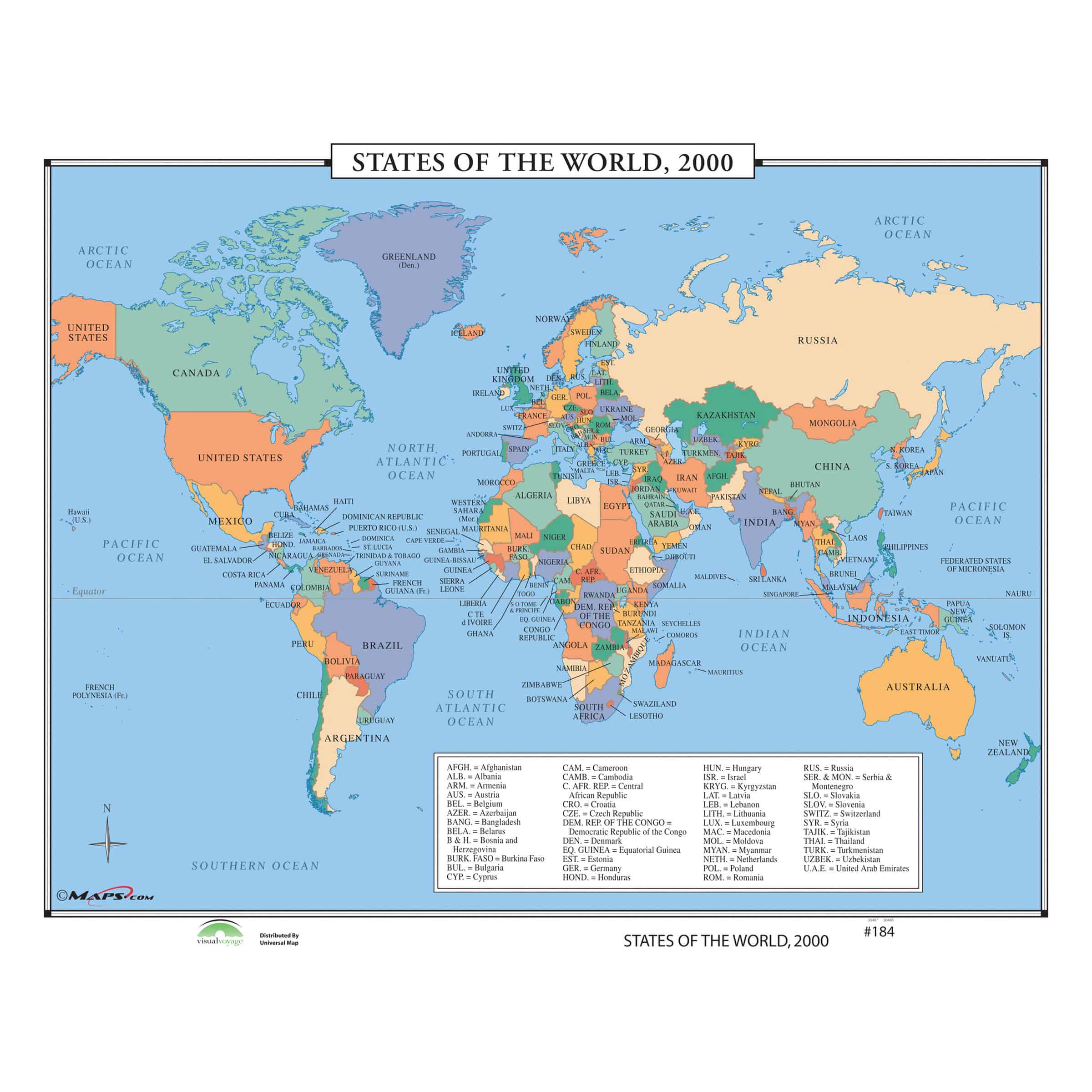
Introduction: The Importance of Maps
Maps have long been essential tools for navigation, understanding geographical areas, and representing data spatially. In our increasingly interconnected world, the relevance of maps has never been greater. From aiding in disaster response to guiding daily commutes, the evolution of maps—from traditional paper maps to advanced digital applications—reflects technological progress and changing societal needs.
The Shift from Paper to Digital
Over the last two decades, the rise of digital maps has transformed how we interact with geographical information. Technologies like GPS (Global Positioning System) have made navigation more accessible and accurate. According to Statista, as of 2023, over 70% of people in the UK use map applications on their smartphones regularly, showcasing a substantial shift in how individuals approach travel and exploration.
Innovative Uses of Maps
Modern mapping extends beyond simple navigation. Maps are now integral in various sectors, including urban planning, environmental science, and public health. For instance, Geographic Information Systems (GIS) play a crucial role in analysing demographic data or assessing the impact of climate change on specific regions. In urban centres, planners use maps to design efficient public transportation routes. Moreover, during the COVID-19 pandemic, mapping data visually illustrated trends in infection rates and vaccination rollouts, helping governments and citizens understand the crisis better.
Challenges and Opportunities
Despite their advantages, digital maps face challenges. Privacy concerns arise from location tracking, and misinformation can spread through inaccurate mapping services. Addressing these issues requires careful management of technology and transparent data practices. Nevertheless, future developments, such as augmented reality (AR) mapping, promise enhanced interactive experiences that could redefine our understanding of the terrain.
Conclusion: The Future of Mapping
Maps are more than navigational tools; they are dynamic instruments of insight that impact a diverse range of fields. As technology continues to evolve, so too will the capabilities of maps. Future innovations could improve disaster response, enhance sustainability efforts, and foster greater community engagement. For readers, understanding the significance of maps underscores their everyday utility and potential to shape our world in years to come. Embracing this knowledge can empower individuals to navigate more effectively, make informed decisions, and appreciate the comprehensive landscape around them.



