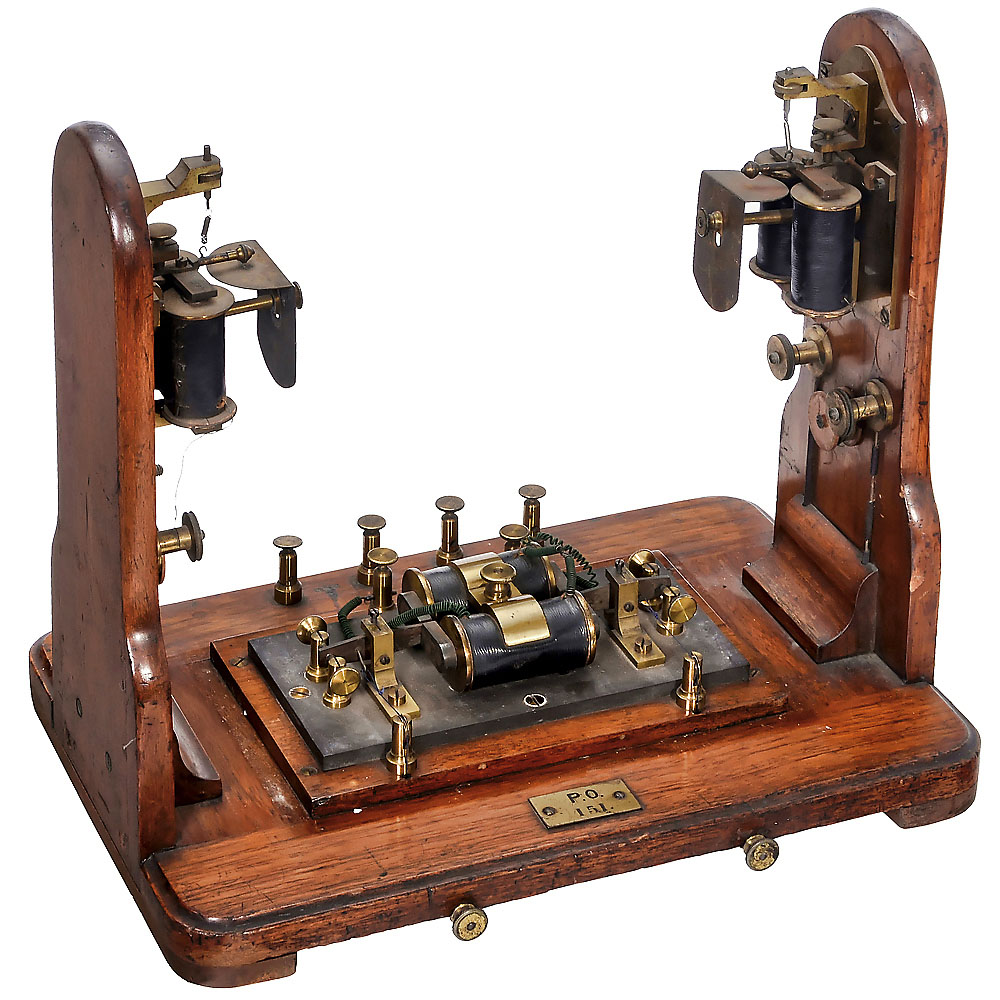
Introduction
The telegraph revolutionised communication in the 19th century, becoming a pivotal tool for news delivery and information dissemination. Its impact on journalism and society as a whole is still relevant today, as speed and accessibility remain essential in the age of instant news. Understanding the role of the telegraph helps contextualise the evolution of modern media and the rise of instant communication technologies.
The Development of the Telegraph
The first successful demonstration of the telegraph was conducted by Samuel Morse and Alfred Vail in 1844, showcasing the ability to send messages over long distances via electrical signals. The introduction of the message coding system known as Morse code allowed for faster and more efficient communication. By the late 19th century, telegraph lines crisscrossed the globe, connecting continents and enabling real-time news reporting.
Impact on Journalism
Before the telegraph, news was mostly disseminated through newspapers and oral communication, which limited the speed at which information could travel. The telegraph changed this dynamic; news outlets began to rely on telegraph operators to receive and send updates, leading to the establishment of news agencies like the Associated Press in 1846. This created a framework for structured news reporting that emphasised speed, accuracy, and the ability to cover events as they unfolded.
Telegraph’s Legacy in Today’s Media
While the telegraph has largely been supplanted by digital technologies, its legacy persists in contemporary journalism. The core principles of immediacy and accessibility that the telegraph established are evident in modern news reporting, particularly with the rise of the internet and mobile communication. With platforms like Twitter acting as a digital successor to the telegraph, instantaneous updates are now commonplace in news cycles, reflecting the need for timely information dissemination that originated with the telegraph.
Conclusion
The telegraph’s historical significance extends beyond mere communication; it fundamentally shaped the landscape of modern journalism. As technology continues to evolve, the foundational principles established by the telegraph remain critical in informing the practices and expectations of news delivery today. Understanding this evolution helps readers appreciate the speed at which news is delivered and highlights the ongoing challenge of maintaining accuracy in an increasingly rapid media environment.