Introduction
In an age where technology underpins nearly every aspect of daily life, the threat posed by hackers has never been more significant. Cyber-attacks have escalated dramatically over the past few years, affecting millions of individuals and businesses worldwide. Understanding the methods used by hackers and the implications of their actions is crucial for safeguarding sensitive information and maintaining trust in digital platforms.
Current Trends in Cybercrime
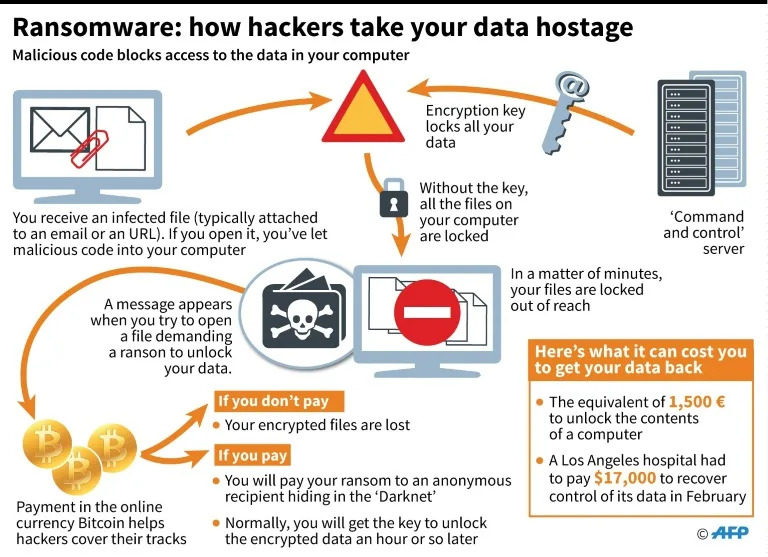
As of 2023, various methods employed by hackers continue to evolve, making traditional security measures less effective. Ransomware attacks, where hackers encrypt vital data and demand payment for its release, have surged, impacting sectors from healthcare to finance. According to the Cybersecurity & Infrastructure Security Agency (CISA), there has been a reported increase of 300% in ransomware incidents compared to two years ago. Additionally, hacking groups have become more organised and sophisticated, often operating like businesses, complete with customer service lines and product offerings.
High-Profile Incidents
This year, several high-profile security breaches have highlighted the vulnerabilities that even large corporations face. For instance, a major cyber-attack against a leading software firm has compromised the personal information of millions of users. The breach not only resulted in significant financial loss but also damaged the firm’s credibility and trust amongst its clientele. The attack underscores the importance of robust cybersecurity measures, including employee training and advanced threat detection systems.
The Role of Governments and Regulations
In response to the alarming rise in cybercrime, governments around the world are taking proactive steps to combat hacking. New regulations and frameworks aimed at enhancing cybersecurity practices have been introduced, such as the General Data Protection Regulation (GDPR) in Europe and various federal initiatives in the United States. These policies emphasize the responsibility of organisations to protect personal data and impose significant penalties for non-compliance, incentivising businesses to invest in stronger security protocols.
Conclusion
The growing prevalence of hackers presents a formidable challenge for individuals and organisations alike. As cyber threats become increasingly sophisticated, it is essential for everyone to take proactive measures to safeguard their data. By understanding the tactics employed by hackers and implementing comprehensive security strategies, businesses can not only protect themselves from ongoing threats but also contribute to a safer digital landscape. Looking ahead, as technological advancements continue to unfold, ongoing vigilance, education, and adaptation will be critical in the fight against cybercrime.