Introduction
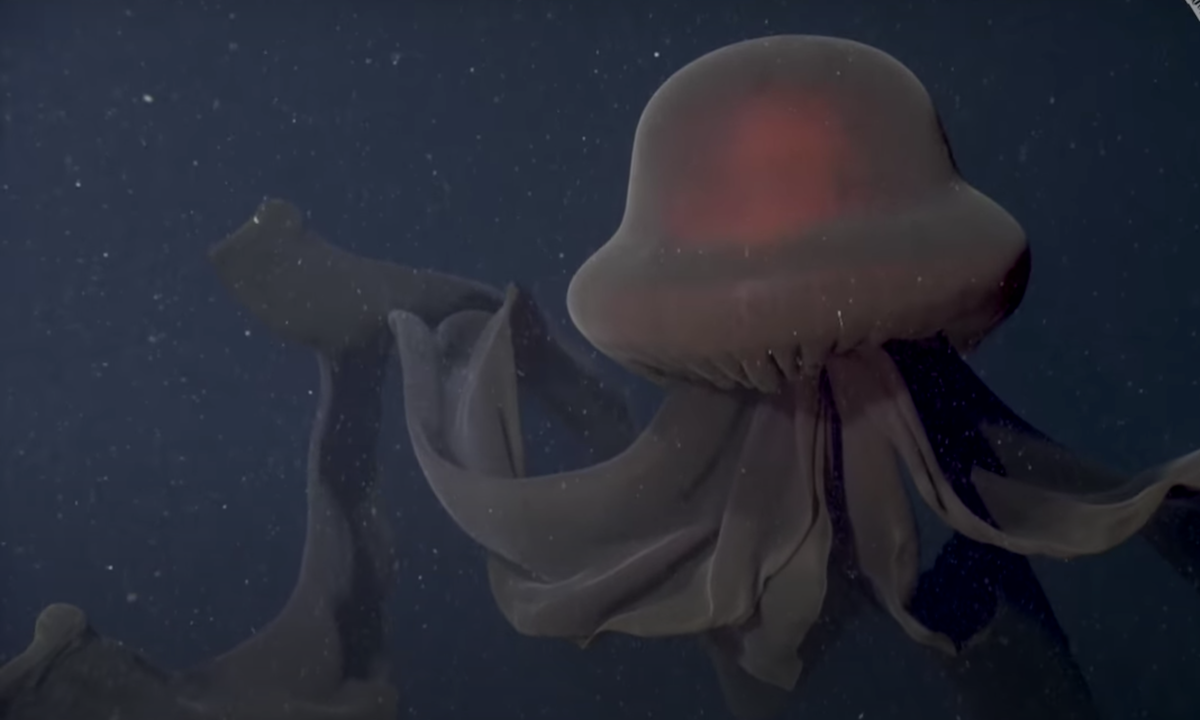
The giant phantom jellyfish (Stygiomedusa gigantea) captures the imagination of marine scientists and enthusiasts alike. This elusive creature, often seen floating gracefully in the ocean’s depths, plays a significant role in understanding marine ecosystems. Recent sightings and studies of the giant phantom jellyfish have reignited interest in its biology and ecological importance.
Recent Sightings and Research
In recent months, there have been several remarkable sightings of giant phantom jellyfish in waters around the United Kingdom. In July 2023, a team of marine biologists off the coast of Cornwall observed this magnificent jellyfish in its natural habitat, drawing attention from researchers worldwide. These jellyfish can reach impressive sizes, with some reports of specimens measuring over one metre in diameter, adorned with long, trailing tentacles that can extend much further.
Scientists have been intrigued by the jellyfish’s unique anatomy and bioluminescent qualities. Unlike most jellyfish, the giant phantom jellyfish possesses a translucent body that allows sunlight to penetrate, creating a stunning display of light. Researchers believe this adaptation helps the species avoid predators while navigating through deep ocean waters.
The Role of Giant Phantom Jellyfish in the Ecosystem
Understanding the role of the giant phantom jellyfish within its ecosystem contributes to broader marine biology studies. As gelatinous zooplankton, they occupy a crucial position in the food web, serving as prey for various marine animals, including leatherback sea turtles and other larger fish species. By studying their population dynamics and movement patterns, scientists can better understand the health of marine environments.
Furthermore, giant phantom jellyfish play a critical role in carbon cycling. By consuming organic matter in the water column and then sinking to the seabed after death, they contribute to the biological carbon pump, a vital process in regulating global carbon levels and combating climate change.
Conclusion
The fascination with giant phantom jellyfish continues to grow as researchers uncover more about their biology and ecological roles. With recent sightings highlighting their presence in UK waters, it is crucial to monitor and study these captivating creatures further. As specialists work to conserve marine biodiversity, the giant phantom jellyfish remains a symbol of the profound mysteries that lie within our oceans. Understanding and protecting such majestic species is vital for maintaining ocean health and fostering biodiversity for future generations.




