Introduction
The rivalry between India and Pakistan is one of the most intense in international sports, particularly in the realm of cricket. This historic competition transcends the boundaries of mere sport, intertwining with political and cultural narratives that resonate deeply in both nations. Events such as the recent cricket series have intensified discussions surrounding this rivalry, making it a focal point for both sports enthusiasts and world observers.
Recent Developments
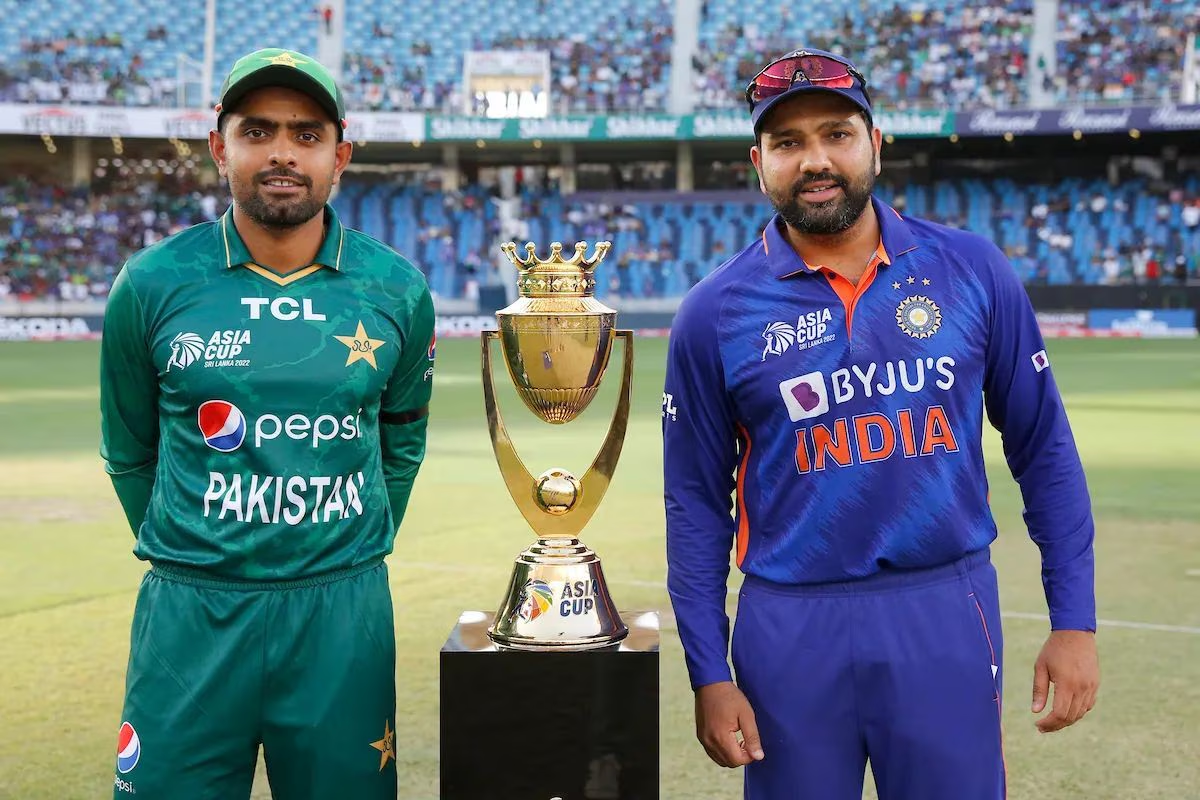
The most recent chapter in the India-Pakistan cricket saga unfolded during the Asia Cup 2023, held in September. The two teams faced off in a much-anticipated match on September 2, 2023, at the Pallekele International Cricket Stadium in Sri Lanka. Following a rain interruption, India emerged victorious, marking a crucial win that has further ignited fan enthusiasm and media discourse surrounding the fixture.
The match garnered unprecedented attention, with viewership numbers reaching millions across various platforms. Both teams showcased remarkable talents aiming for regional supremacy and, importantly, the match unfolded amid heightened tensions and discussions related to political dynamics, underscoring the deeper connections beyond just athletics. Players such as Virat Kohli and Babar Azam have routinely been seen as not only representatives of their teams but as national icons, further emphasizing the significance of their performances on this historical stage.
The Bigger Picture
Moreover, this rivalry is reflective of the larger geo-political relationships and historical context between the two countries. Cricket matches often become a platform for national pride, and victories or losses can have substantial emotional implications for fans across both nations. The India vs Pakistan matches continue to be marked by passionate displays of support and sometimes hostilities that serve as a reminder of the competition’s depth.
Conclusion
As we move forward, the India-Pakistan cricket rivalry is expected to continue flourishing with more matches planned, including potential fixtures in international tournaments. As fans await future encounters, the implications of this rivalry extend beyond the cricket field, representing an intersection of sports, culture, and national identity. For readers, watching these matches provides not only entertainment but also an insight into a complex relationship shaped by history and current events. The excitement surrounding each encounter is sure to keep the rivalry alive for years to come.