Introduction
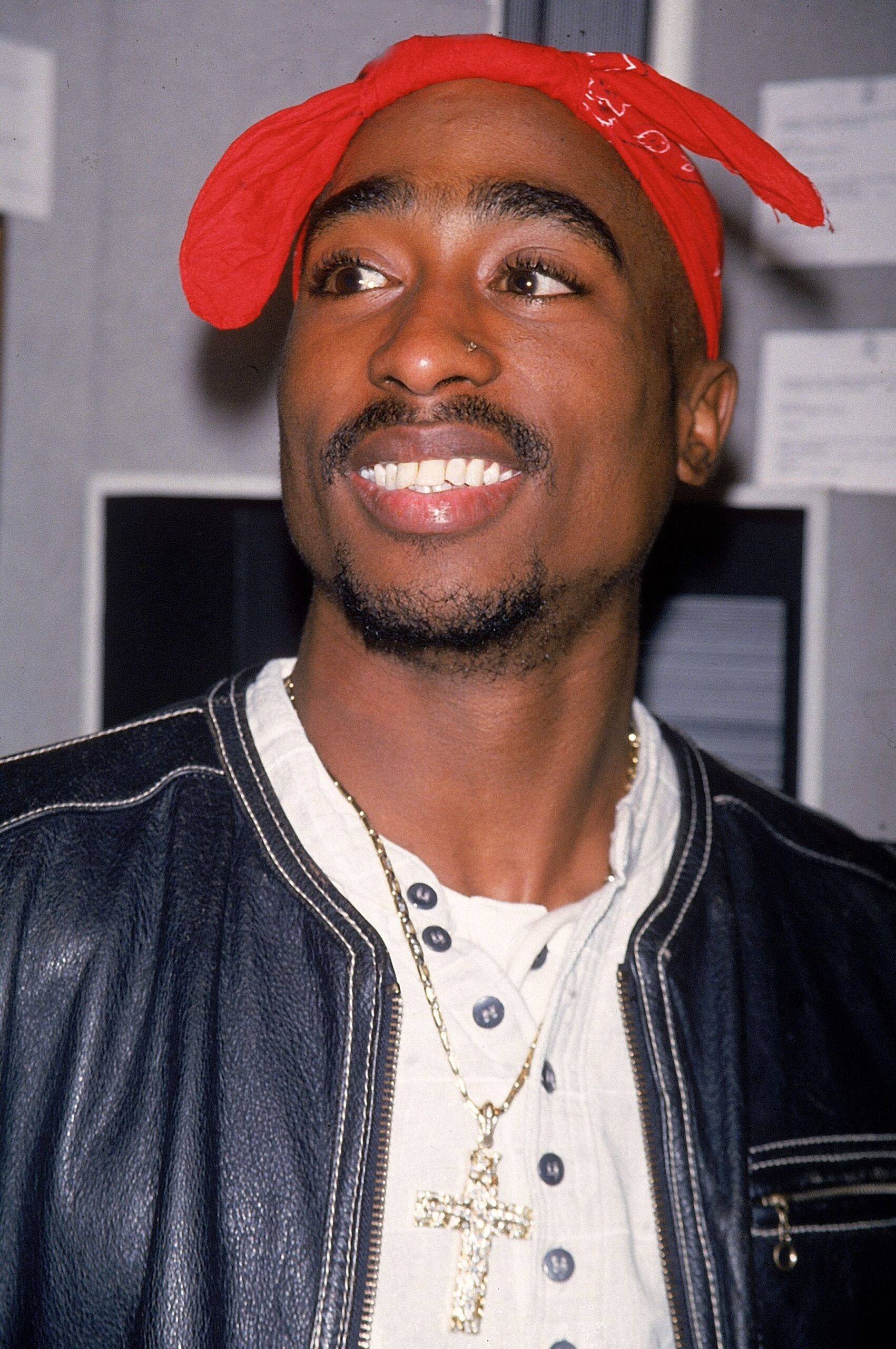
Tupac Shakur, also known by his stage names 2Pac and Makaveli, stands as one of the most significant figures in the history of hip-hop and American culture. His influence transcends music; it encompasses social activism, poetry, and discussions about systemic inequality. Understanding his life and the impact of his work is especially relevant today, amid ongoing conversations about race relations, violence, and artistic expression.
Life and Career
Tupac Amaru Shakur was born on June 16, 1971, in East Harlem, New York. He rose to prominence in the early 1990s with hit albums like 2Pacalypse Now, Me Against the World, and All Eyez on Me. His lyrics often dealt with themes of social injustice, poverty, and violence, reflecting the struggles of African Americans in urban areas. Not only known for his powerful voice, Shakur was also an actor, appearing in films such as Juice and Poetic Justice.
Tragic End and Ongoing Impact
Shakur’s life was cut short when he was fatally shot on September 7, 1996, in a drive-by shooting in Las Vegas, Nevada. His murder remains unsolved to this day, sparking numerous conspiracy theories and investigations. Despite his short life, Shakur’s artistry and activism continue to inspire generations of artists and activists alike. Posthumously, his work has been celebrated in albums, documentaries, and even Broadway productions, signifying his lasting influence.
Recent Developments
In recent years, Tupac’s impact has been revisited as part of broader discussions about race and justice in America. Documentaries like Tupac: Resurrection and recent exhibitions like ‘Tupac Shakur: Wake Me When I’m Free’ at the Grammy Museum have renewed interest in his life and the messages he championed. Universities host discussions surrounding his work, while social media platforms are filled with tributes commemorating the 25th anniversary of his death.
Conclusion
Tupac Shakur’s legacy serves as a potent reminder of the need for empathy and change in society. His portrayal of raw emotion, strength, and vulnerability resonates in today’s world. As we continue to grapple with issues surrounding race, culture, and identity, the messages embedded in Shakur’s music remind us of the transformative power of art. Looking ahead, his works will likely remain a significant influence on both the music industry and social movements seeking justice and change.