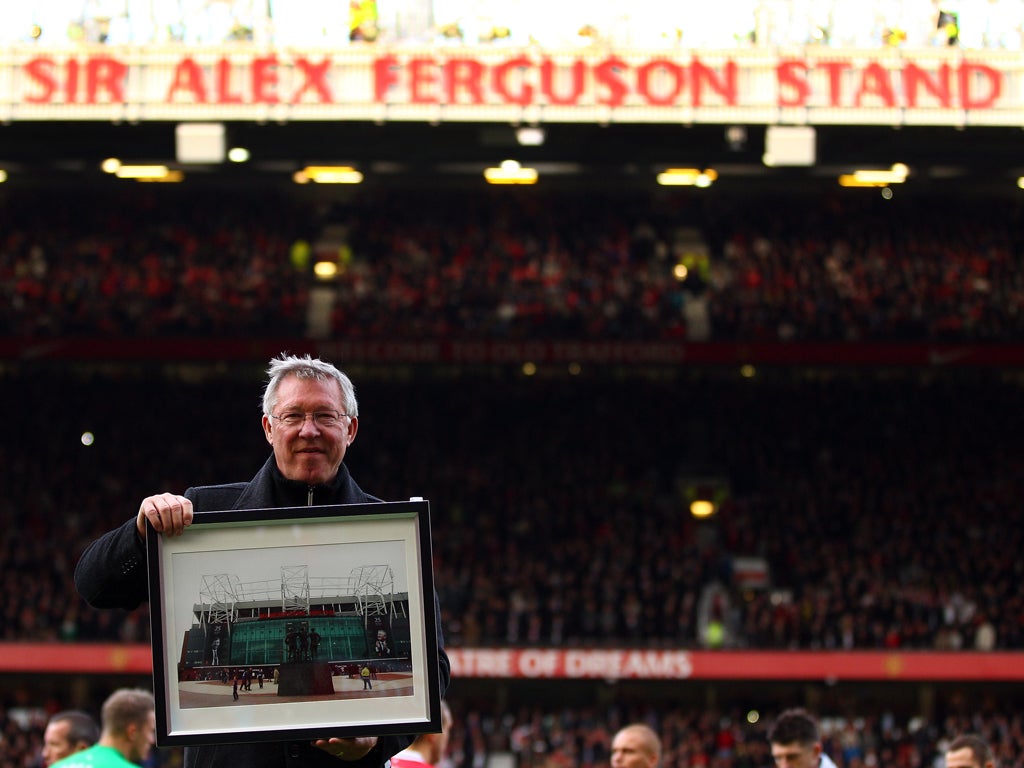
Introduction
Sir Alex Ferguson, widely regarded as one of the greatest football managers in history, has left an indelible mark on the sport through his remarkable career. Having spent 26 years at the helm of Manchester United, his influence transcends the boundaries of club football, making him a pivotal figure in the landscape of global sports. Understanding Ferguson’s strategies, leadership, and lasting impact on football is crucial for aspiring players, managers, and fans alike.
Career Highlights
Ferguson began his managerial journey at East Stirlingshire, before moving to St. Mirren, and eventually securing a position at Aberdeen. Under his leadership, Aberdeen broke the Celtic and Rangers domination in Scottish football. However, it was his tenure at Manchester United from 1986 to 2013 that solidified his legacy.
During this time, Ferguson guided the team to an astounding 38 trophies, including 13 Premier League titles, 5 FA Cups, and 2 UEFA Champions League titles. His ability to innovate tactics, develop youth talent, and manage diverse personalities within the squad were critical factors that contributed to the club’s success.
Ferguson’s Management Style
Ferguson’s approach to management was characterised by a strict discipline, exceptional communication skills, and the ability to motivate players to reach their full potential. He implemented the famous “hairdryer treatment”—a method of fierce scolding intended to invoke a strong response from underperforming players. This direct, no-nonsense approach was complemented by an equally strategic side that involved meticulously planned training sessions and game tactics.
Moreover, Ferguson’s remarkable knack for recognising and nurturing young talent led to the emergence of several star players, including Ryan Giggs, Paul Scholes, and David Beckham, all of whom would become vital components of Manchester United’s success.
Post-Management Influence
Since retiring, Ferguson’s influence on football has remained strong. He has taken on various roles as a mentor and advisor within the sport, helping to shape the next generation of managers. His autobiography, “Managing My Life,” and numerous public speaking engagements have also further solidified his position as an esteemed figure in football philosophy.
Conclusion
Sir Alex Ferguson’s legacy is more than just his impressive trophy cabinet; it lies in the profound impact he has had on football management as a whole. His philosophies continue to guide managers around the world, serving as a testament to the importance of leadership, resilience, and adaptability in the ever-evolving game of football. As we look to the future of the sport, the lessons from Ferguson’s remarkable career will undoubtedly remain relevant, inspiring both current and aspiring football professionals.