Introduction
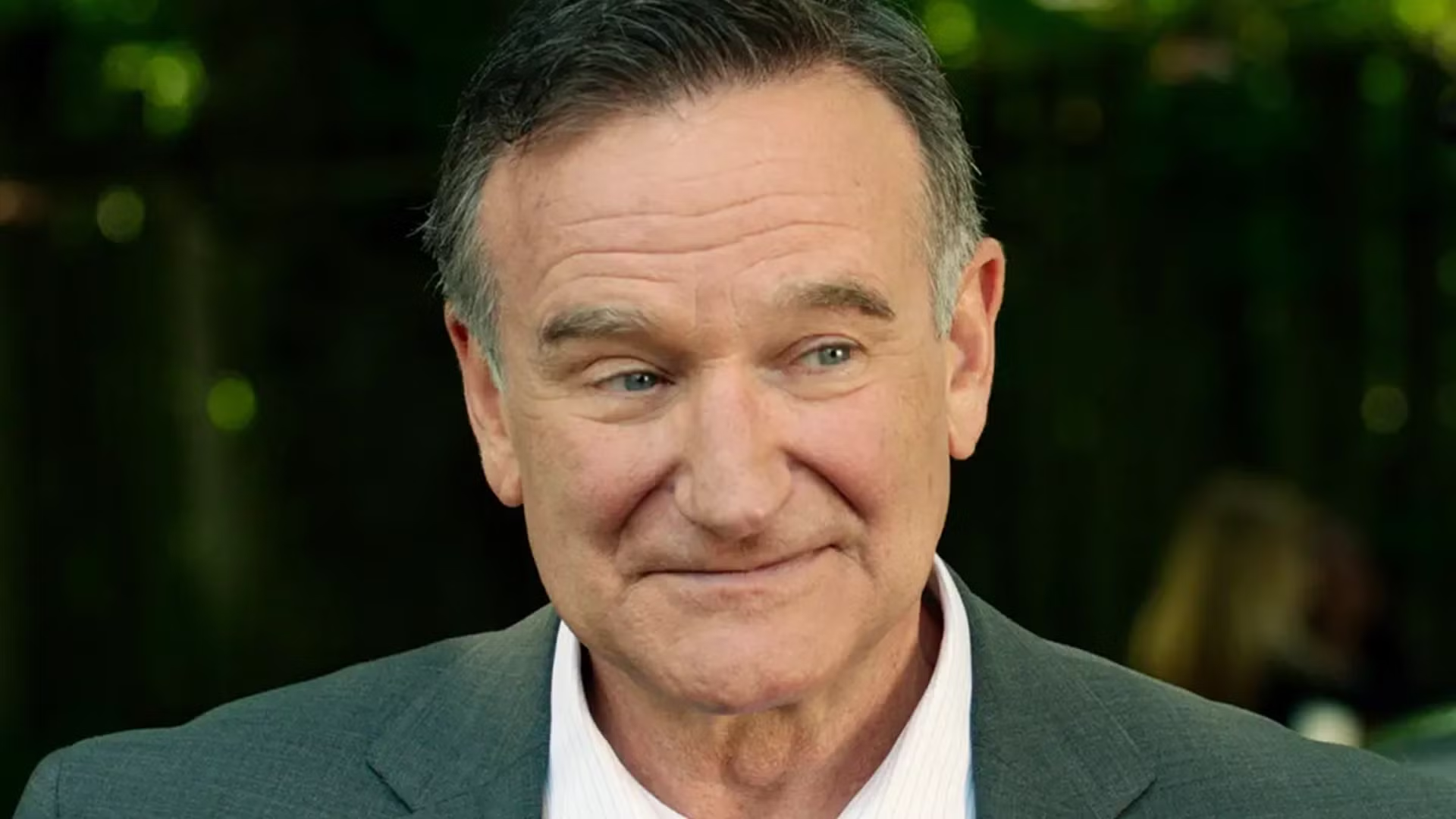
Robin Williams was a comedic genius and a talented actor whose works transcended generations. His unique ability to blend humour with poignant emotion made him a beloved figure in the entertainment industry. As society reflects on mental health issues and the pressures of fame, Williams’ life becomes increasingly relevant, reminding us of the human struggles behind the laughter.
Life and Career Highlights
Born on July 21, 1951, in Chicago, Illinois, Robin Williams began his career as a stand-up comedian in the 1970s. His breakthrough moment came when he starred as Mork in the television series “Mork & Mindy”, which showcased his quick wit and improvisational skills. Williams quickly became a household name, leading to a series of iconic film roles in classics such as “Good Morning, Vietnam,” “Dead Poets Society,” and “Mrs. Doubtfire”.
His film career earned him numerous awards, including an Academy Award for Best Supporting Actor for his role in “Good Will Hunting” (1997). Williams was not only recognised for his comedic talent but also for his ability to convey deep, emotional narratives. His performance in dramas highlighted his versatility and depth as an actor.
The Struggles Behind the Laughter
Despite his success, Robin Williams faced personal battles, including depression and addiction. His struggles were masked by his jovial public persona, which serves as a critical reminder of the mental health issues that many high-profile individuals face. Williams’ untimely death in August 2014 shocked fans worldwide and initiated discussions about the importance of mental health awareness and support.
The Legacy of Robin Williams
Since his passing, Robin Williams’ legacy has only grown. The impact of his work can be seen across various platforms, from film and television to his influence on aspiring comedians and actors. Tributes have poured in from fans and celebrities alike, honouring his contributions to the arts and the memories he created through laughter.
Williams’ generous spirit extended beyond entertainment, as he actively supported numerous charitable causes, particularly those focused on mental health and childhood education. His foundation, the “Make-a-Wish Foundation”, has continued to carry forward his mission of spreading joy and laughter.
Conclusion
The story of Robin Williams is one of brilliance intertwined with heartache. His ability to blend humour with meaningful narratives has left an indelible mark on the film and comedy industry. As society continues to grapple with the complexities of mental health, Williams’ legacy serves as a poignant reminder of the need for compassion, understanding, and open conversations about struggles that remain invisible to many.