Introduction
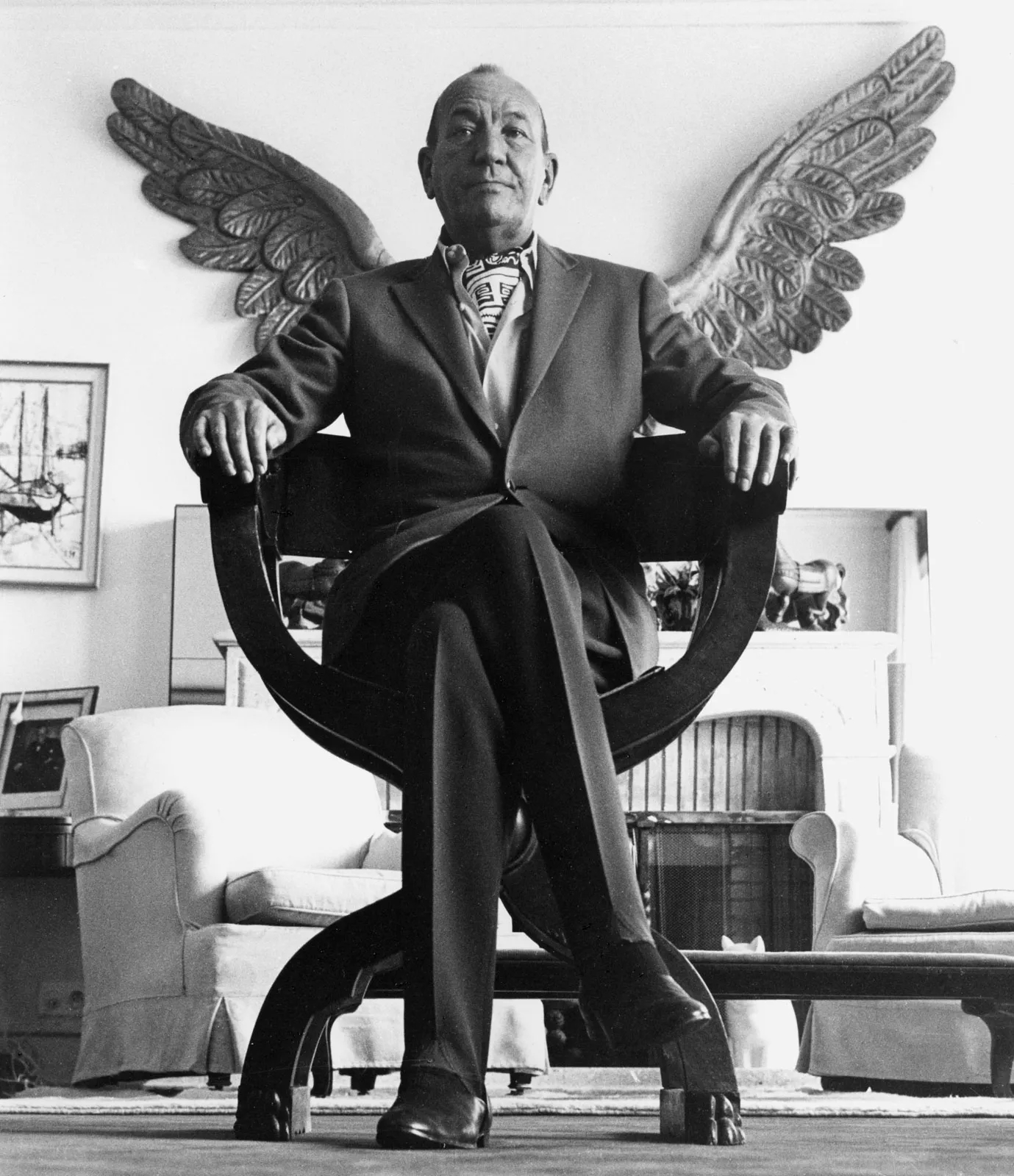
Noel Coward remains one of the most influential figures in British theatre, known for his sharp wit, musical compositions, and a string of successful plays. His contributions have left an indelible mark on the performing arts, making him a pivotal character in 20th-century theatre. Coward’s works are celebrated not only for their entertainment value but also for their social critique, making them relevant even in today’s context.
Life and Career
Born on December 16, 1899, in Teddington, England, Noel Coward began his career in the arts at a young age. He was a child prodigy, demonstrating talents in writing and music that would soon captivate audiences. Coward’s first major success came in 1924 with his play “The Vortex,” which showcased his unique style and ability to tackle delicate subjects with humour.
Throughout his career, Coward wrote over 50 plays, composed numerous songs, and starred in films and theatrical productions. His works, such as “Blithe Spirit,” “Hay Fever,” and “Private Lives,” are renowned for their sophisticated dialogue and exploration of romantic entanglements and societal norms. Many of his plays emerged during times of social upheaval, making his insightful commentary more poignant.
Noel Coward’s Impact on Theatre
Coward’s influence extended beyond his own works. He was a trailblazer in the world of theatre, paving the way for future playwrights and influencing the genres of comedy and musical theatre. His dedication to performance art was evident as he reinvented theatrical norms and introduced new elements, such as the use of music and repartee within plays.
Moreover, Coward’s flamboyant personality and lifestyle broke social conventions of his time, positioning him as a cultural icon. His rich social commentary spoke to the desires and fears of both the upper and middle classes of his era, and his works provoked thought while providing entertainment.
Conclusion
Noel Coward’s legacy is not only preserved in the texts of his plays but also in the way he transformed British theatre. Despite his passing in 1973, his works continue to be performed worldwide, with adaptations and revivals keeping his spirit alive.
As we witness changes in contemporary theatre, the versatility and insight of Coward’s writings remain ever-relevant, ensuring that he is remembered as a titan of the arts. The exploration of love, loss, and wit in his plays continues to resonate with audiences, with many young artists drawing inspiration from his style as they create new narratives for a modern audience.