Introduction
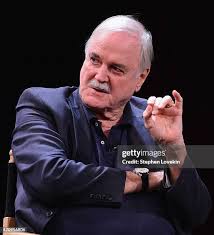
John Cleese, an iconic figure in British comedy, has made significant contributions to the world of entertainment for over five decades. His unique style, sharp wit, and unforgettable characters have left an indelible mark on popular culture. From Monty Python’s surreal sketches to his memorable role in Fawlty Towers, Cleese’s influence continues to resonate with both audiences and aspiring comedians alike, making him a pivotal figure in the evolution of comedy.
A Career Span of Creative Excellence
John Cleese was born on October 27, 1939, in Bristol, England. He began his comedic journey in the late 1950s as a member of the Cambridge Footlights, where he honed his craft alongside fellow legends such as Graham Chapman and Eric Idle. In 1969, the group formed Monty Python’s Flying Circus, a television series that became a cultural sensation. Their unorthodox style and innovative approach revolutionised comedy, influencing countless comedians and comedy writers.
Following Monty Python, Cleese co-created and starred in Fawlty Towers, a sitcom set in a dysfunctional hotel managed by the ill-tempered Basil Fawlty, played by Cleese himself. The show, originally airing for just two series, gained immense popularity and is now considered one of the greatest sitcoms of all time. Even decades later, the show’s sharp humour and memorable lines remain etched in the minds of audiences.
Recent Endeavours and Continued Relevance
In recent years, John Cleese has continued to engage with his audience through various projects, including stage performances, interviews, and documentaries. Notably, he launched a live theatre show titled ‘Last Time to See Me Before I Die’, showcasing his signature humour and insights on ageing and mortality. Cleese has also been active on social media, where he shares his thoughts on current events, often blending satire with commentary.
Moreover, Cleese’s work transcends generations, with younger audiences discovering his genius through streaming platforms that feature Monty Python and Fawlty Towers. He has embraced this evolution, expressing his appreciation for modern technology that allows his work to reach new fans worldwide.
Conclusion
John Cleese’s legacy is undoubtedly cemented in the annals of comedy. His ability to push boundaries and challenge societal norms through humour has opened doors for future comedians. As Cleese continues to create and inspire, he remains an essential figure in understanding the progression of comedic art. For readers and fans alike, the importance of John Cleese extends beyond his past achievements—it’s a testament to the evolving nature of comedy and its role in society.