Introduction
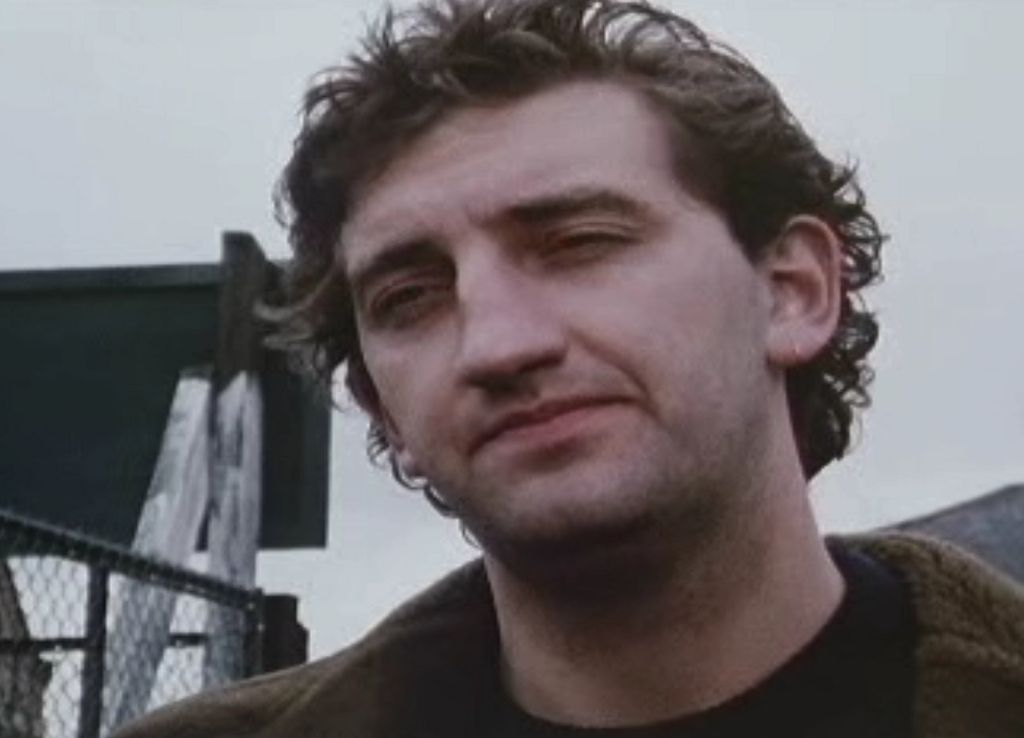
Jimmy Nail, an acclaimed singer-songwriter and actor, has made significant contributions to the arts in the UK. With a remarkable career spanning more than three decades, Nail’s impact can be seen in both the music industry and television dramas. As he continues to evolve as an artist, understanding his journey and influence provides insightful context to the changing landscape of entertainment in Britain.
Career Milestones
Nail first garnered mass attention in the late 1980s with his hit single “Love Don’t Live Here Anymore,” which showcased his unique blend of country and pop music. His debut album, “Growing Up in Public,” released in 1991, further cemented his status in the music scene. However, Nail’s career didn’t just stop at music; he successfully transitioned into acting, gaining widespread fame for his role in the critically-acclaimed television series “Auf Wiedersehen, Pet,” where he played the character of Oz.
In addition to his acting and singing, Nail has made commendable contributions to television. His performance in the 1993 BBC series “The Last of the Moghicans” is another testament to his versatility as an artist. Furthermore, his work on various documentaries and television specials has endeared him to audiences and allowed him to explore and express his interests in culture and history.
Recent Developments
In recent years, Jimmy Nail has continued to maintain a presence in the entertainment industry. In 2021, he released his first album in nearly two decades, “A Long Road Back,” which received positive reviews, proving that his talent has not waned with time. The album features a collection of reflective songs that resonate with both long-time fans and a new generation of listeners.
Moreover, Nail’s commitment to the arts extends beyond his personal career. He actively supports various charitable causes, including arts funding initiatives and educational programmes, emphasising the importance of nurturing young talent in the creative industries.
Conclusion
Jimmy Nail’s journey reflects the multi-faceted nature of artistic expression in music and television. As he continues to create and inspire, his legacy serves as a reminder of the influence that one individual can have on an entire industry. Looking ahead, Nail’s continued involvement in the arts suggests that he will remain a vital figure in British entertainment, captivating audiences with his stories and music for years to come. His achievements encourage readers to appreciate the past while fostering enthusiasm for the future of music and television.



