Introduction
Fawlty Towers, a British sitcom created by John Cleese and Connie Booth, first aired in the 1970s and has since become a cornerstone of British television. With only 12 episodes, its unique blend of farce, wit, and memorable characters encapsulated the essence of British humour, leaving an indelible mark on comedy and popular culture. Even after decades, Fawlty Towers remains relevant, drawing new generations of fans and retaining its status as one of the greatest television series of all time.
The Series’ Premise
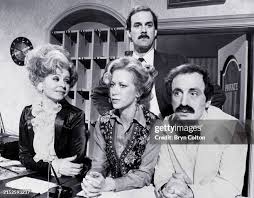
Set in a fictional hotel in Torquay, Fawlty Towers follows the misadventures of the rude and incompetent hotel owner Basil Fawlty, played by John Cleese. The show revolves around the chaotic interactions between Basil, his bossy wife Sybil, the hapless chambermaid Polly, and their sarcastic Spanish waiter Manuel. Each episode portrays their struggles against a backdrop of everything that could possibly go wrong in the hospitality industry. The slapstick humour, sharp dialogue, and character-driven plots contributed heavily to the sitcom’s acclaim.
Impact and Cultural Significance
The series not only garnered critical acclaim but also influenced a myriad of sitcoms that followed. It has been cited as an inspiration by many contemporary comedians and writers, contributing to the crafting of character-focused narratives in comedy. According to a recent survey by the British Film Institute, Fawlty Towers ranks among the top three favourite sitcoms for British audiences, showcasing its lasting appeal.
Key phrases and quotes from the series, including Basil’s infamous catchphrase, “Don’t mention the war!”, have transcended the show and entered everyday vernacular, illustrating its cultural penetration. Notably, the series continues to receive accolades, including a BAFTA award for Best Comedy Series in 1976, further solidifying its reputation.
Recent Developments
In recent years, discussions around a potential revival or reunion special have emerged. As of mid-2023, Cleese hinted at possibly reuniting with Booth for a new project that takes a contemporary look at the characters in a modern context. Although details are scarce, the response from both fans and networks indicates a strong interest in revisiting this beloved series.
Conclusion
Fawlty Towers is not just a sitcom; it represents a significant aspect of British entertainment history. Its sharp wit and distinct style continue to resonate with audiences today. The discussions surrounding a potential revival speak to the timelessness and fondness viewers have for this iconic series. As we move forward, Fawlty Towers will undoubtedly remain a touchstone for comedic excellence, exemplifying the effective storytelling and character development that define great television.