Introduction
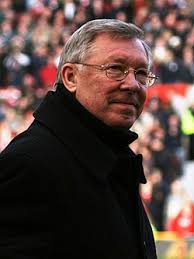
Sir Alex Ferguson, a name synonymous with football excellence, is widely regarded as one of the most successful managers in the history of the sport. His tenure at Manchester United spanned 26 years, during which he transformed the club into a global powerhouse. Ferguson’s insights and methodologies continue to influence current managers and players alike, underscoring the timeless relevance of his approaches to the game.
Career Milestones
Ferguson began his managerial career at East Stirlingshire, progressing through the ranks to St. Mirren and then Aberdeen. His success at Aberdeen, where he ended Celtic’s dominance in Scottish football, caught the attention of Manchester United, who appointed him in 1986. Under his guidance, the club experienced unprecedented success, winning 13 Premier League titles, 5 FA Cups, and 2 UEFA Champions League titles, among other trophies.
Management Style and Philosophy
Known for his keen tactical acumen and exceptional ability to nurture talent, Ferguson’s philosophy encompassed discipline, hard work, and a decades-long vision for club development. He was renowned for his ability to adapt to the changing dynamics of football, always focusing on the balance of youth and experience within his squads. This approach was instrumental in developing players such as Ryan Giggs, Paul Scholes, and David Beckham, who later became club legends.
Impact Beyond the Pitch
Ferguson’s influence went beyond match day strategies. He shaped the culture of Manchester United, instilling a winning mentality that resonated throughout the club and its fanbase. His famous ‘hairdryer treatment’ is still referenced today, symbolising high standards and the drive for excellence. His autobiography, ‘Managing My Life’, has also provided valuable insights into leadership and management, echoing beyond sports into business domains.
Conclusion
Sir Alex Ferguson’s legacy remains a topic of discussion and admiration within the football community and beyond. As new generations take to the pitch, the principles he instilled continue to guide forthcoming talents and managerial minds. His ability to foster a winning culture, coupled with an eye for talent and innovation, provides a blueprint for future leaders in sports. As we look ahead to the evolving landscape of football, Ferguson’s impact will undoubtedly endure, affirming his status as not just a manager, but an icon of the sport.