Introduction
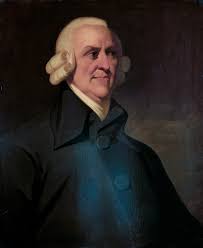
Adam Smith, often referred to as the father of modern economics, is a pivotal figure whose ideas on free markets and individualism continue to shape economic thought and policy today. His seminal work, “The Wealth of Nations,” published in 1776, laid the groundwork for classical economics and introduced concepts that are still relevant in discussions about capitalism and economic freedom.
The Wealth of Nations and Its Core Ideas
“The Wealth of Nations” is renowned for introducing several groundbreaking concepts, such as the division of labour, the invisible hand, and the importance of self-interest in economic transactions. Smith argued that when individuals pursue their own interests, they inadvertently contribute to the overall good of society. This idea has become a foundational principle in neoliberal economics, underpinning policies that favour deregulation and free-market mechanisms.
Contemporary Relevance of Smith’s Theories
In the current economic landscape, the relevance of Smith’s theories can be observed in debates surrounding globalisation, economic inequality, and the roles of government regulation. The ongoing discussions about tax reforms and welfare programs echo Smith’s emphasis on the balance between market freedom and government intervention. Additionally, during economic crises, Smith’s insights into the importance of maintaining a stable market environment resonate with policymakers attempting to stimulate economic growth.
Challenges to Smith’s Ideas
Despite Smith’s enduring popularity, his theories have faced criticism, particularly regarding assumptions about self-interest leading to positive societal outcomes. Critics argue that unregulated markets can lead to monopolies and social inequality, necessitating a more nuanced understanding of the balance between free markets and social welfare. These critiques have paved the way for alternative economic theories, including Keynesianism and Marxism, which address the limitations of laissez-faire economics.
Conclusion
In conclusion, Adam Smith’s contributions to economic thought remain profoundly influential, underpinning much of contemporary economics. As societies grapple with the complexities of modern economies, from the rise of digital currencies to shifts in global trade policies, revisiting Smith’s theories provides valuable insights. While some of his assumptions may require reevaluation, the fundamental principles of individual agency and market dynamics continue to be essential for understanding current economic challenges. As we move forward, Smith’s legacy prompts ongoing discussions about the role of economics in addressing societal needs and fostering development.



