Introduction
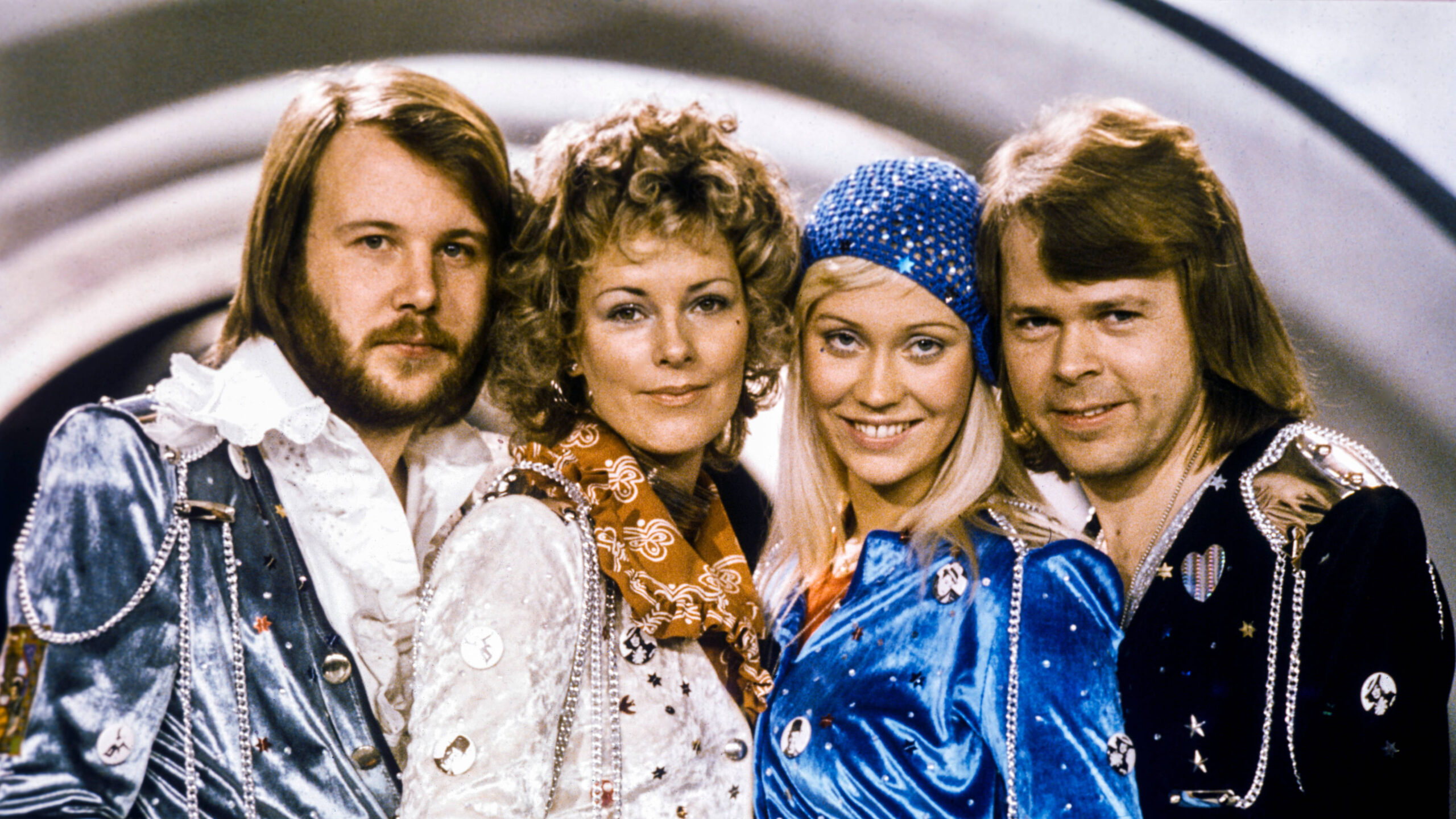
ABBA, the Swedish pop group formed in 1972, has left an indelible mark on the global music scene. Known for their catchy melodies and harmonised vocals, ABBA’s music continues to resonate with audiences of all ages, making them one of the best-selling music acts in history. With a career spanning nearly a decade, their influence remains relevant even decades after their initial rise to fame, showcasing the timelessness of their work.
The Rise of ABBA
ABBA consisting of Agnetha Fältskog, Björn Ulvaeus, Benny Andersson, and Anni-Frid Lyngstad, gained fame after winning the Eurovision Song Contest in 1974 with their hit song ‘Waterloo’. This victory marked the beginning of their international success and ushered in a series of chart-topping singles like ‘Dancing Queen’, ‘Take a Chance on Me’, and ‘Mamma Mia’. Their unique blend of pop and rock, coupled with theatrical stage performances, captivated audiences and secured their popularity globally.
Revival and Cultural Impact
Despite disbanding in 1982, ABBA’s music saw a resurgence in the late 1990s due to the success of the musical Mamma Mia!, which features many of their greatest hits. In 2021, the group surprised fans with the release of a new album, ‘Voyage’, and announced a revolutionary concert experience featuring digital avatars of the members performing alongside a live band in London. This move highlights ABBA’s ability to adapt to modern trends while maintaining their core essence.
Current Events and Legacy
In recent events, ABBA’s music has been reintroduced to new generations through social media platforms, streaming services, and remixes. The band’s songs are celebrated not just for their melodies, but also for their lyrical depth, tackling themes of love, heartbreak, and joy. As of 2023, ABBA remains a cultural touchstone with their music continuing to inspire films, stage productions, and even viral TikTok dances, ensuring their legacy is preserved for future generations.
Conclusion
The significance of ABBA’s contribution to music and pop culture cannot be overstated. Their unique sound, combined with innovative marketing strategies and timeless songwriting, has allowed them to remain relevant and beloved more than four decades after their peak. As they continue to evolve and reach new audiences, ABBA’s story is far from over, reminding us of the everlasting power of music to connect people across different eras.