Introduction
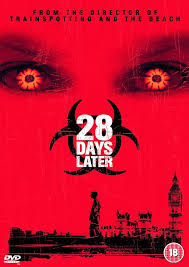
Released in 2002, ’28 Days Later’ directed by Danny Boyle, redefined the horror genre and popularised the zombie apocalypse narrative. This groundbreaking film not only revitalised interest in zombie films but also paved the way for a new wave of horror that resonates with audiences even today. Its importance lies in its unique approach and lasting influence on both filmmakers and the genre itself.
Plot Overview and Themes
’28 Days Later’ follows the story of Jim, played by Cillian Murphy, who awakens from a coma to find London deserted and infested with rage-infected humans. The film explores themes of survival, human nature, and societal breakdown in the face of a catastrophic viral outbreak. Its poignant commentary on isolation and the instinct for survival strikes a chord with viewers, especially in an era contemplating global pandemics and societal fears.
Cinematic Techniques and Innovations
The film is noted for its innovative use of digital cinematography, which contributed to its raw and immersive aesthetic. Boyle’s choice to shoot in empty streets of London during daylight added to the unsettling atmosphere. Moreover, the use of fast-moving ‘infected’ individuals created a sense of urgency and terror, setting it apart from previous slow-moving zombie portrayals. The powerful score by John Murphy further amplifies the emotional intensity of key scenes, showcasing how sound design plays an integral role in horror.
Impact on Modern Horror and Zombie Genre
’28 Days Later’ has had a profound influence on the horror genre, inspiring countless films and television series, including ‘The Walking Dead’. It popularised the concept of fast zombies and the narrative of survival against the odds. Furthermore, it challenged traditional horror conventions, blending elements of psychological horror with social commentary, thereby appealing to a broader audience. Audiences and filmmakers alike acknowledge its contributions to shaping contemporary horror storytelling.
Conclusion
As we reflect on ’28 Days Later’ two decades later, its impact remains significant in the film landscape. Its innovative narrative and technical prowess have left an indelible mark on horror cinema, influencing the way stories about societal collapse and survival are told. The film’s continued relevance, especially in light of recent global events, speaks to the power of cinema as a medium for exploring complex human emotions and societal fears. As horror continues to evolve, ’28 Days Later’ will undoubtedly remain a touchstone for filmmakers and fans alike, symbolising a watershed moment in the genre.



