Introduction
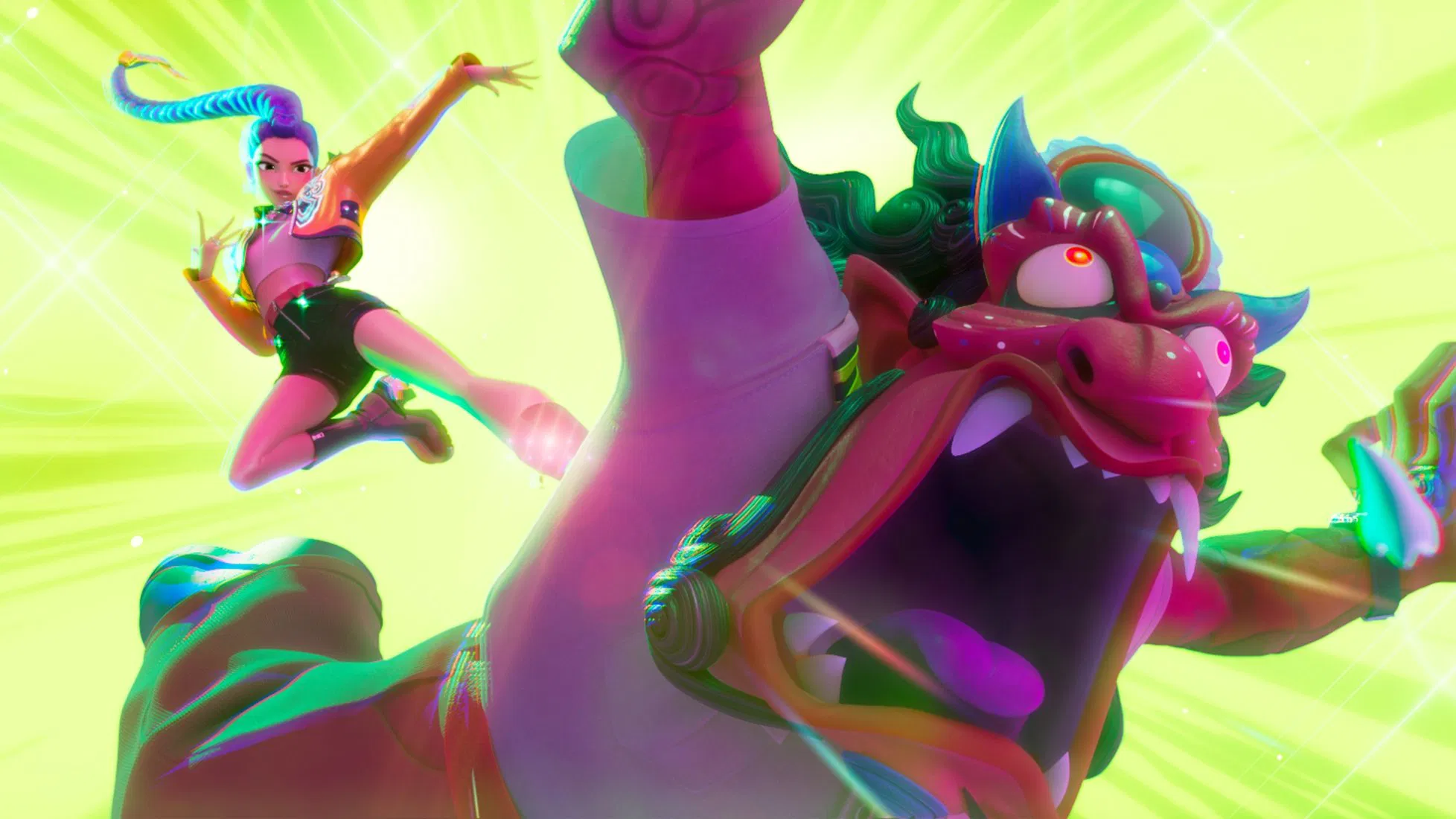
Kpop, or Korean pop music, has not only dominated music charts around the world in recent years but has also become a cultural phenomenon that seamlessly intertwines various themes, including fantasy and mythology. One of the most intriguing developments in this genre is the rise of Kpop groups adopting the identity of ‘Demon Hunters.’ This new trend captivates fans with its rich storytelling, visual aesthetics, and the distinct blend of genres that evoke a sense of adventure.
The Rise of Kpop Demon Hunters
Recently, the concept of Kpop Demon Hunters has gained remarkable popularity in both music and online fan communities. Groups such as ‘The Phantom Kings’ and ‘Nightfall’ have emerged, incorporating dark fantasy narratives into their music videos and stage performances. The members of these groups often portray characters with supernatural abilities, hunting down malevolent spirits or creatures, which resonates well with audiences who enjoy fantasy novels and films.
This trend is not merely a marketing strategy; it reflects a broader cultural interest in storytelling through music. The incorporation of character arcs and plot lines transforms the typical Kpop experience into an enthralling saga that engages fans beyond traditional concert viewing. As a result, these groups have cultivated dedicated fandoms, thriving in various online spaces including social media platforms and fan forums where they discuss theories and characters.
Cultural Significance
The blending of Kpop with themes of demon hunting is significant as it allows for an exploration of deeper themes such as good versus evil, personal struggle, and redemption. These narratives often draw inspiration from Korean folklore and mythology, offering international fans a glimpse into the rich cultural tapestry of the country. The imagery associated with demon hunting also provides a powerful visual element, with elaborate costumes and stunning special effects enhancing the overall experience.
Conclusion
As the Kpop Demon Hunters phenomenon continues to grow, it reflects the industry’s innovative approach to music and storytelling. Fans can expect even more intricate narratives and immersive experiences in future releases as these groups push the boundaries of Kpop. The rise of this genre not only solidifies Kpop’s global appeal but also opens the door for further explorations of cultural folklore through modern entertainment. In an ever-evolving landscape, Kpop Demon Hunters signify an exciting chapter in the ongoing story of Kpop’s cultural impact.