Introduction
The world of football is constantly evolving, and with it, new talents are emerging both on and off the pitch. One such name that is generating buzz in the football community is Andoni Iraola. His recent achievements and unique managerial style are making headlines worldwide, particularly as he takes his teams to unprecedented success. Understanding Iraola’s contributions and strategies sheds light on the evolving characteristics of modern football management.
Iraola’s Background and Career
Andoni Iraola began his professional career as a dedicated right-back, primarily seen in the colours of Athletic Bilbao, where he established himself for over a decade. After transitioning from player to manager, he took the coaching reins at several clubs, notably achieving remarkable milestones with Rayo Vallecano in La Liga. His tactical acumen and ability to motivate players were integral to Rayo’s competitive edge, guiding the team to outperform expectations in Spain’s top tier.
Recent Achievements
In the 2023 season, Iraola’s leadership became particularly noteworthy as he successfully led Rayo Vallecano through a season filled with challenges, finishing mid-table and showing potential for further improvement. His innovative approaches to training and match strategies have not only garnered respect but also set a new standard for tactical discipline in the league.
Significance of His Coaching Style
Iraola is recognised for his meticulous attention to detail and his adaptive strategies that allow him to tailor his gameplay according to opponents. He emphasizes a balanced style of play, blending defensive solidity with attacking flair—a strategy that has proven to be effective in countering stronger teams. His ability to develop young talent is also notable; several underappreciated players have emerged as key figures under his guidance, identifying him as not only a manager but a mentor for the future of football.
Looking Ahead
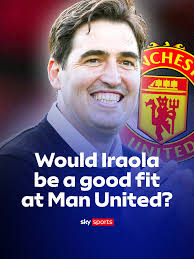
As we look to the future, Iraola’s career trajectory continues to rise, with speculation about potential roles in larger clubs across Europe. Observers are keen to see how he will translate his success in La Liga to different football cultures. The potential for Iraola to shape the next generation of football through his innovative methods and unique perspective is significant, promising an exciting era for fans and analysts alike.
Conclusion
The ascension of Andoni Iraola is illustrative of the changing dynamics within football management. His journey reflects the blend of tradition and innovation that current footballers and coaches must navigate. As he continues to make headlines and influence the game on various fronts, Iraola’s significance in the football world will likely grow, inspiring both players and upcoming managers in their pursuit of excellence.