Introduction
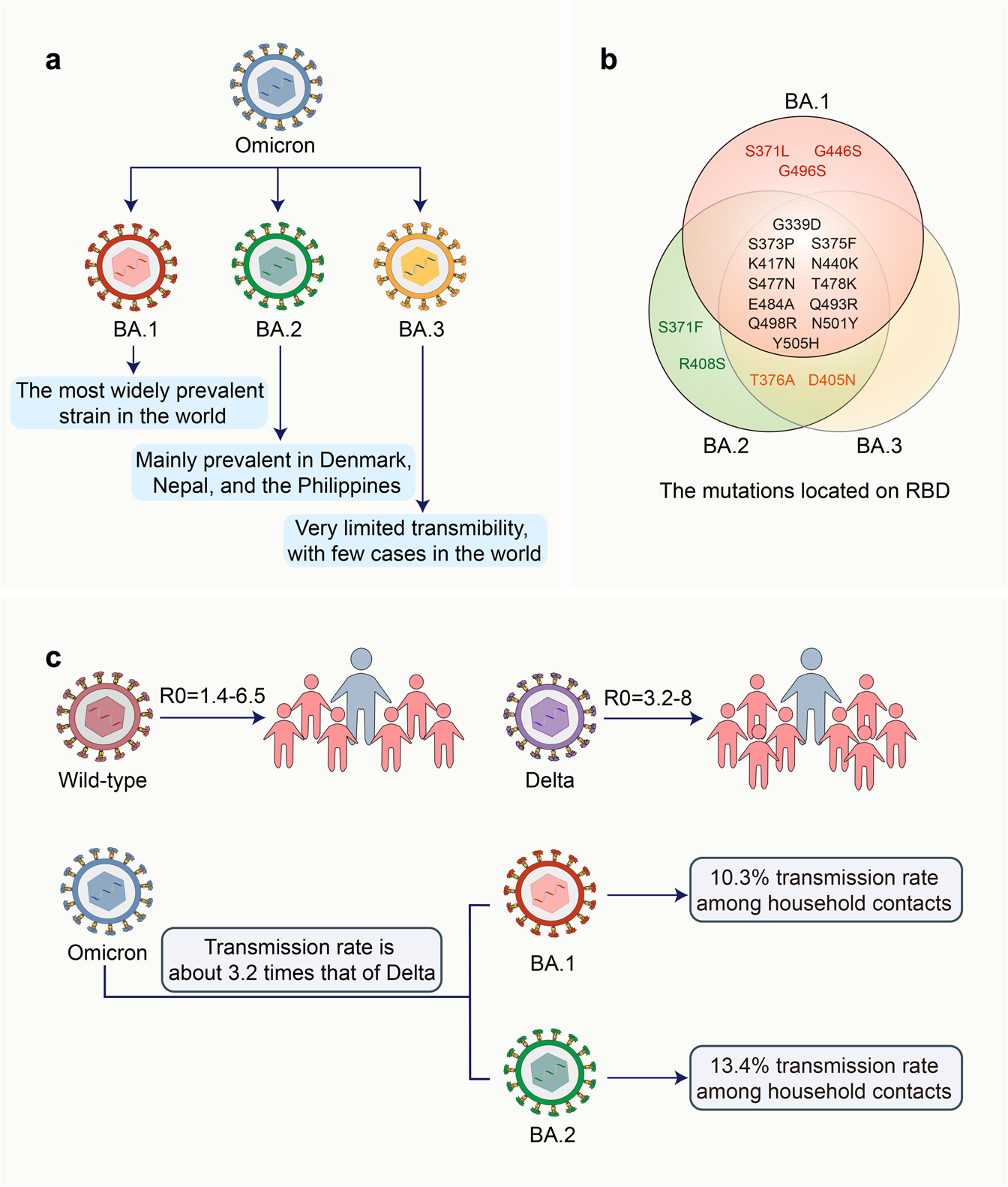
The emergence of a new COVID variant is raising alarms across the globe, as health officials anticipate potential impacts on public health measures and vaccination efforts. This variant, designated as B.1.1.529 or Omicron, has been detected in multiple countries and is believed to have multiple mutations that may enhance its transmissibility. Understanding the implications of this new variant is crucial for the safety and wellbeing of the population.
Details of the New Variant
The first reported case of the new COVID variant was identified in South Africa, prompting immediate attention from the World Health Organization (WHO). Preliminary data suggest that this variant may spread more easily than previous iterations, leading to apprehension among health experts. In response, several countries have already implemented travel restrictions from regions of concern to mitigate transmission risks.
As of mid-November 2023, reports indicate that cases have been confirmed in Europe, Asia, and North America, sparking renewed discussions about the importance of booster shots and ongoing public health precautions. The WHO has classified this variant as a variant of concern, reflecting its potential to contribute to increased COVID-19 cases globally.
Vaccination and Preventative Measures
Scientists are currently evaluating the efficacy of existing vaccines against this new variant. Preliminary studies suggest that while vaccines may offer some level of protection, additional booster doses could be necessary to enhance immunity levels. Public health officials are emphasizing that maintaining vaccination rates, especially among vulnerable populations, is critical.
In addition to vaccinations, health authorities continue to promote wearing masks, practising good hand hygiene, and maintaining physical distancing in crowded settings. These measures remain essential components of the strategy to combat COVID-19 and its emerging variants.
Conclusion
The emergence of the new COVID variant serves as a reminder that the pandemic is not over. As the situation evolves, it is crucial for both individuals and communities to stay informed and adhere to recommended health guidelines. With ongoing research and data collection, health officials aim to adapt their responses as necessary to protect public health. Experts predict that vigilance and adaptability will be key as we navigate the challenges posed by this and any future variants. For readers, staying informed about updates and adhering to precautions can help safeguard not only personal health but also the health of the wider community.