Introduction to the Elizabeth Line
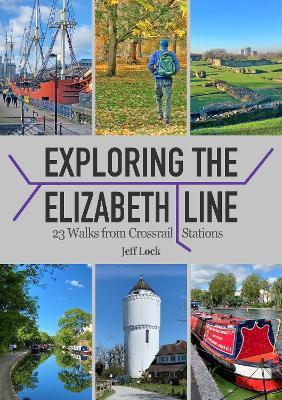
The Elizabeth Line, which officially opened in May 2022, represents a significant investment in London’s transport infrastructure, aiming to improve connectivity across the city and beyond. Named after Queen Elizabeth II, the line runs from Reading and Heathrow in the west to Shenfield and Abbey Wood in the east, covering a total distance of approximately 60 miles. The importance of this project cannot be overstated, as it not only facilitates easier commuting for millions but also supports London’s economic growth.
Key Features and Impact
The Elizabeth Line has dramatically enhanced travel options for Londoners and visitors alike. It boasts 41 stations, with ten new ones constructed specifically for this line. Commuters can benefit from reduced journey times; for instance, the travel time between Paddington and Canary Wharf is now under 30 minutes. This improvement is vital for easing congestion on the existing transport network.
Moreover, specifically designed trains with a capacity for up to 1,500 passengers are capable of handling the high demand during peak hours. The line also integrates seamlessly with other transport services including London Underground, bus routes, and the Docklands Light Railway.
Recent Developments and Future Prospects
<pSince its inception, the popularity of the Elizabeth Line has surpassed expectations, attracting millions of passenger journeys. According to Transport for London (TfL), over 15 million journeys were recorded within the first few months of its operation. As of October 2023, the line continues to see increased ridership, indicating its integral role in the daily lives of many users.
Looking ahead, further improvements and expansions are anticipated as part of the ongoing development plans by TfL. There are discussions about extending the line further west to reach Reading and integrating more services to optimize connections across London, which will only enhance the commuter experience.
Conclusion
In conclusion, the Elizabeth Line is not just a transportation asset; it is a catalyst for economic development and social connectivity. As London continues to grow, the need for efficient transport systems becomes increasingly urgent. The Elizabeth Line stands at the forefront of this challenge, promising to reshape the way Londoners commute and navigate their vibrant city. As more people take advantage of this improved service, it’s expected to usher in a new era of transport efficiency across the capital.