Introduction
The Elizabeth Line, inaugurated in May 2022, represents a significant advancement in London’s transport infrastructure. Named after Queen Elizabeth II, this new rail service connects central London with the outer boroughs and beyond, enhancing travel efficiency and promoting economic growth across the region. Its relevance is underscored by the potential to ease congestion on existing lines, while providing a more sustainable travel alternative for millions of commuters.
Key Features and Developments
Spanning 100 kilometres from Reading and Heathrow in the west to Shenfield and Abbey Wood in the east, the Elizabeth Line integrates several key railway routes, providing a seamless journey for passengers. With 40 stations, 10 of which are newly constructed, the line provides the much-needed connectivity that has been lacking in the boroughs of East and West London.
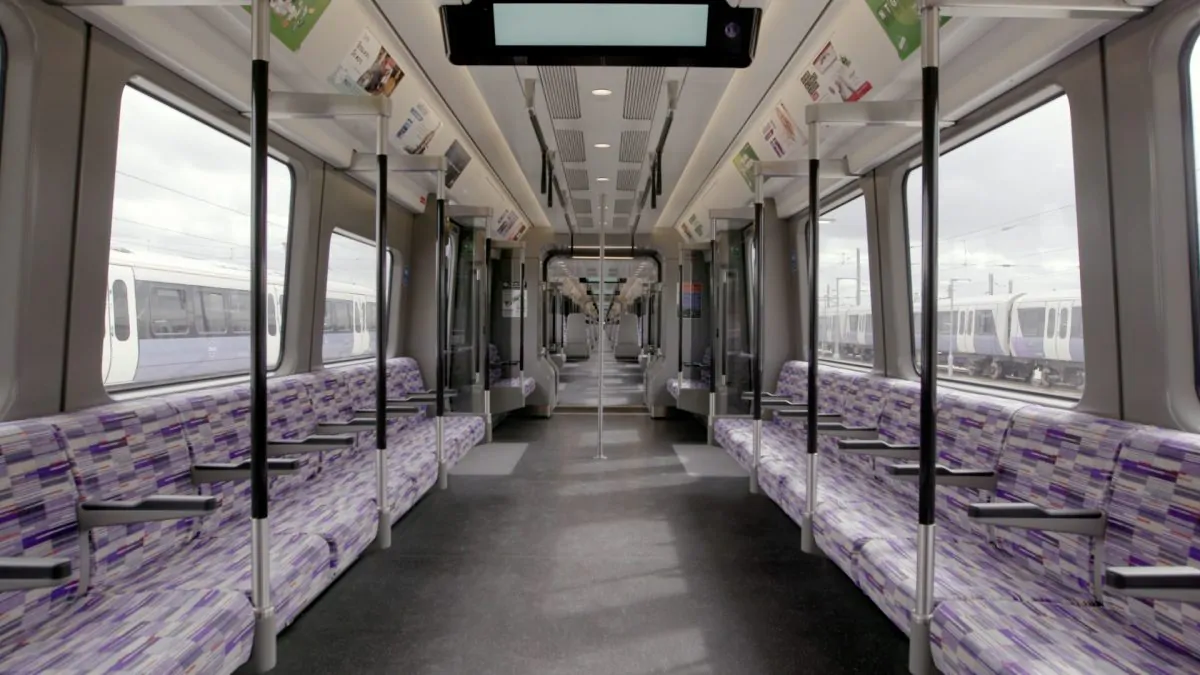
One of the standout features of the Elizabeth Line is its modern infrastructure. The line boasts new, spacious trains that are designed to enhance passenger comfort, featuring air conditioning, Wi-Fi, and accurate information displays. The introduction of the line has also sparked an increase in housing developments along its route, boosting local economies and potentially changing the urban landscape of London.
Challenges and Responses
Despite its benefits, the Elizabeth Line has faced challenges since its launch. Initial operations were marred by delays and issues relating to electrification systems. However, the responsible authorities have taken proactive measures to address these concerns and improve overall service reliability. With continued investment and attention, it is expected that these challenges will be resolved in the forthcoming months, leading to an efficient and dependable transport option.
The Future of the Elizabeth Line
As the Elizabeth Line establishes itself as a crucial component of London’s transport network, forecasts suggest it will serve approximately 200 million passengers annually. Its successful integration into the TfL (Transport for London) network could inspire future transport upgrades, contributing to a more connected and resilient city’s transport system.
Conclusion
The Elizabeth Line is more than simply a new rail service; it represents a pivotal evolution in London’s transport strategy. By improving connectivity across the city, it not only alleviates pressure on existing services but also offers economic opportunities for businesses and communities alike. As the line continues to develop and integrate fully, it stands to play a defining role in the future of London’s urban mobility.