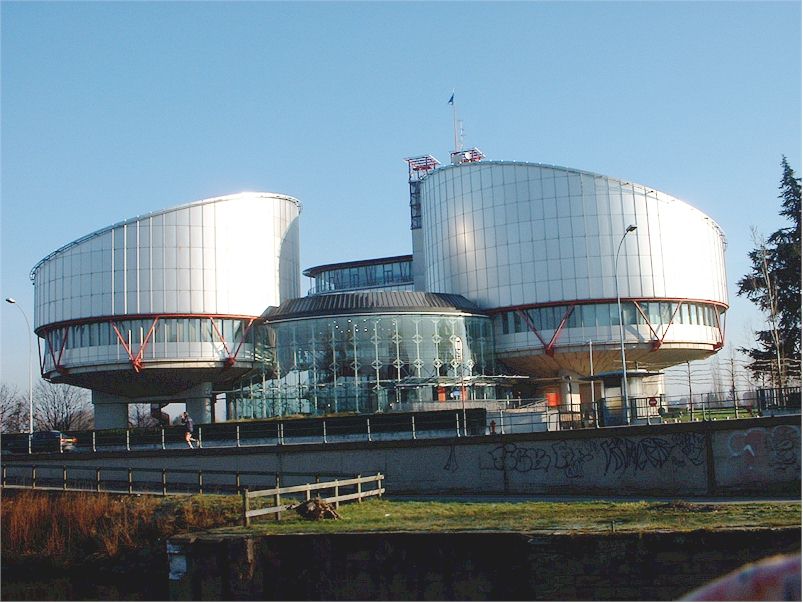
Introduction to the ECHR
The European Court of Human Rights (ECHR), based in Strasbourg, France, plays a pivotal role in safeguarding human rights across Europe. Established in 1959 under the European Convention on Human Rights, the court aims to ensure that member states uphold the rights and freedoms guaranteed by the convention. The significance of the ECHR has grown in recent years as issues surrounding human rights and individual freedoms come under increasing scrutiny in various regions.
Recent Developments
Recent case law from the ECHR has highlighted its ongoing relevance in contemporary society. For example, in a landmark ruling earlier this year, the court addressed the issue of freedom of expression in the context of online hate speech. The case involved a significant decision that upheld the importance of protecting individuals from hate crimes while also reaffirming the value of free speech. Such rulings illustrate the court’s balancing act between individual rights and broader societal responsibilities.
Moreover, the ECHR has recently taken significant steps in addressing environmental rights, recognising the interconnection between environmental protection and human rights. A notable case from 2022 ruled that governments have a duty to protect their citizens from the effects of climate change, marking a progressive shift in the scope of human rights law. This has profound implications for legislation across Europe as it compels states to take decisive action in combating environmental issues.
Challenges Facing the ECHR
The ECHR is not without its challenges. The influx of cases, compounded by political pressures from member states, has led to concerns about the court’s ability to respond in a timely manner. Critics argue that increasing populism and nationalism in some countries threaten the court’s effectiveness and independence. For instance, the ongoing dispute between Turkey and the ECHR about the detention of political dissidents has raised questions about the court’s authority and its enforcement mechanisms.
Conclusion: The Future of the ECHR
As the ECHR continues to navigate complex human rights challenges, its role remains essential in ensuring that the principles of democracy, rule of law, and fundamental freedoms are upheld in Europe. The court’s ability to adapt to contemporary issues, such as digital rights and environmental concerns, will be crucial for its future relevance. For citizens across Europe, the ECHR serves as a reminder of the importance of protecting individual rights against state power—an essential safeguard in any democratic society.