Introduction
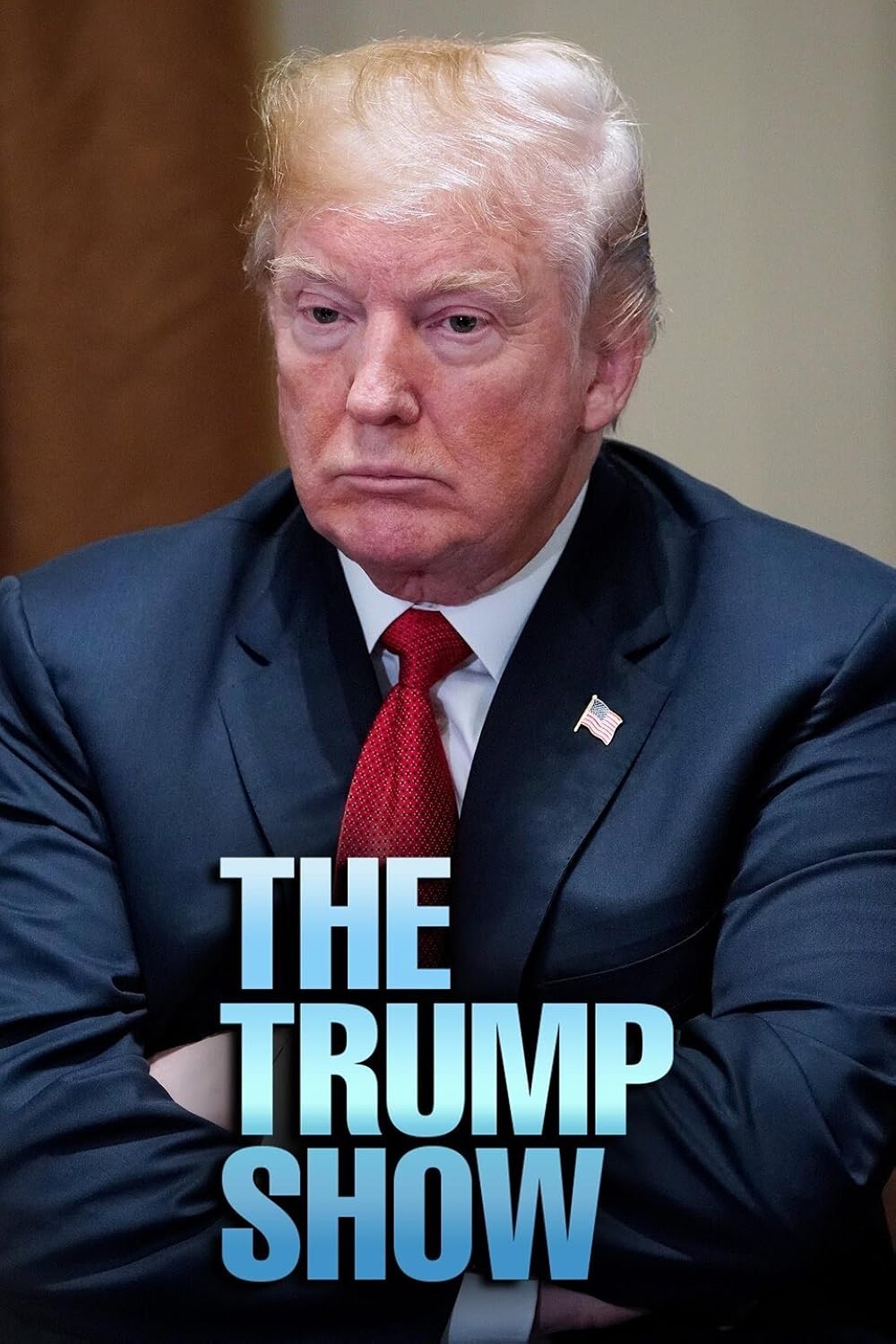
The debut of ‘The Donald Trump Show’ has sparked significant debate within the realms of politics and entertainment. Showcasing the former president’s unique blend of charisma and controversy, this new television venture is poised to captivate audiences while simultaneously igniting discussions about media ethics and political representation. As Americans navigate the aftermath of the 2020 election and the ongoing debates surrounding Trump’s influence, the show emerges at a pivotal moment in US culture.
Overview of The Donald Trump Show
Launched in October 2023, ‘The Donald Trump Show’ aims to combine elements of reality television and a talk show format, featuring interviews with prominent figures, discussions on current events, and reflections on Trump’s presidency. The show is produced by a partnership involving influential media executives who believe that Trump’s vibrant personality can draw substantial viewership. Notably, networks and streaming platforms are closely monitoring the show’s ratings and audience reception to gauge its potential for further political programming.
Audience Reaction
Initial audience ratings indicate a mixed reception. Supporters of Trump have embraced the show, arguing it offers a platform for his voice and perspectives that mainstream media often overlooks. In contrast, critics express concerns about normalising highly contentious political figures in entertainment, fearing that the show could further polarise an already divided public. Social media reactions are equally divisive, with proponents praising its entertainment value while opponents criticise it as a platform for misinformation.
Media Implications
The emergence of ‘The Donald Trump Show’ raises essential questions about the relationship between entertainment and politics. Some media experts argue that Trump’s return to television highlights the blurred lines between the two, making space for what they term ‘politainment’—a fusion of politics and entertainment designed to attract attention and generate ratings. The implications extend beyond Trump, potentially setting a precedent for future political figures to leverage media platforms for personal promotion or agenda-setting.
Conclusion
As ‘The Donald Trump Show’ continues to develop, its significance within the entertainment industry and political landscape is becoming ever more prominent. For viewers, it is a chance to engage with a personality who has undeniably altered American politics. For political analysts and media scholars, it presents an opportunity to study the impacts and consequences of conflating entertainment with political discourse. The ongoing discussions surrounding the show exemplify not only the allure of celebrity but also the challenges faced by a society navigating the post-truth era of politics.