Introduction
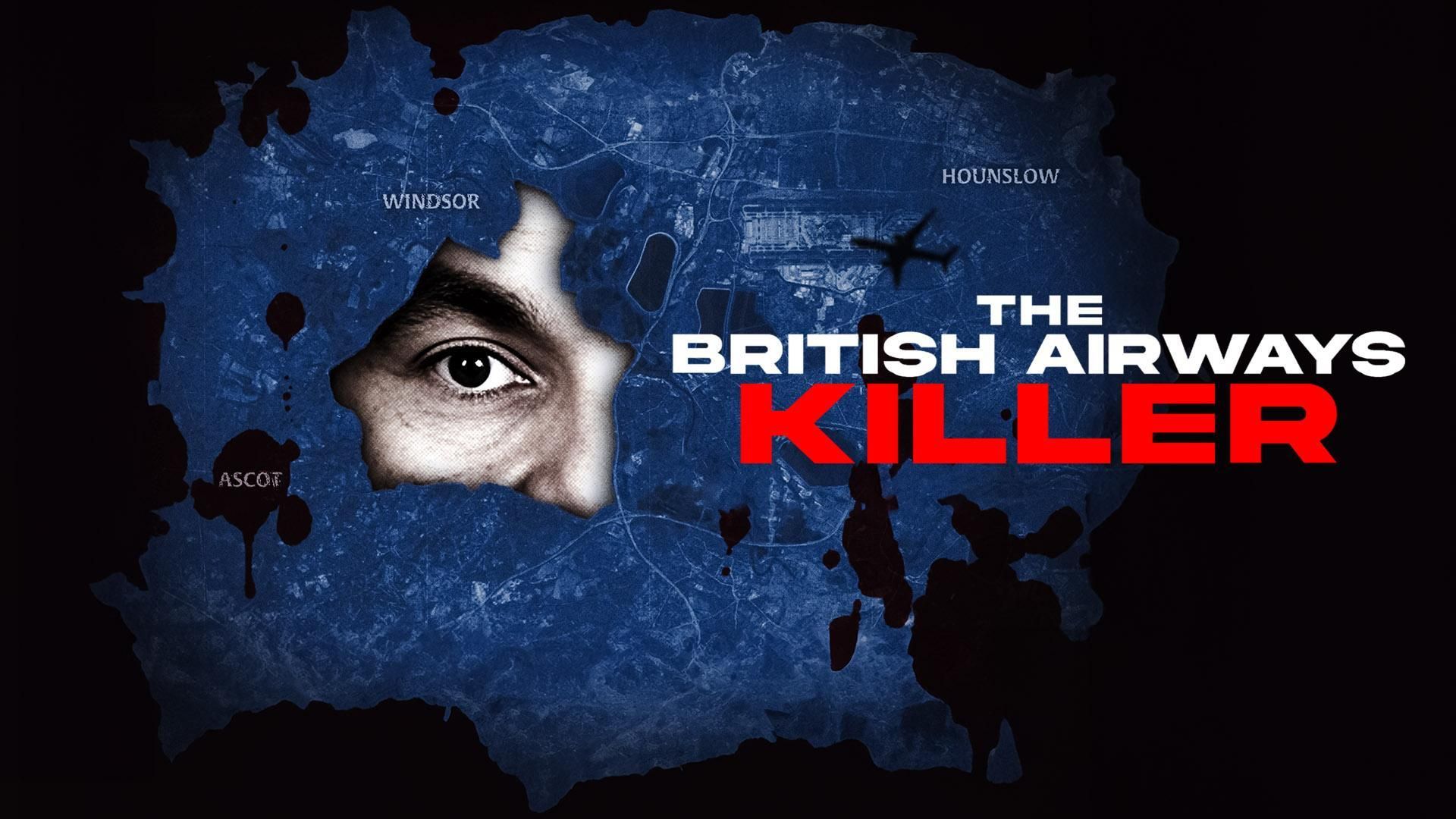
The case of the British Airways Killer has sparked discussions regarding aviation security and passenger safety. In a world where air travel is a common part of life, the chilling incidents surrounding an individual involved in a fatal act spotlight important issues within the industry. Understanding this dark chapter not only sheds light on the events but also highlights the necessity of stringent security measures to protect passengers.
The Incident
In 1990, a horrific crime was committed onboard British Airways Flight 149, which was hijacked while en route to Kuwait during the Gulf War. Although this incident did not feature a specific ‘killer,’ it led to the tragic deaths of several passengers, raising alarms about airline safety and counter-terrorism protocols. This situation exacerbated concerns, bringing about a reevaluation of the measures in place for air travel.
Ongoing Investigations
Years after the incident, ongoing analyses and investigations have sought to uncover the threats posed by individuals intent on harming civilians. The term ‘British Airways Killer’ is often used in media to describe the broader implications of violence associated with the airline, particularly relating to unresolved issues around past attacks and ongoing security gaps.
Impact on Aviation Security
The repercussions of such incidents have led to significant enhancements in aviation security worldwide. In response to threats, airlines like British Airways have adopted more rigorous screening processes for passengers and luggage, introduced advanced technology for threat detection, and collaborated with international agencies to combat potential dangers.
Conclusion
While the term ‘British Airways Killer’ may be evocative, it signifies much more than a single individual; it represents a collective call to enhance safety protocols and protect innocent lives. As air travel continues to grow in frequency, the lessons learned from past tragedies remain necessary indicators of the importance of vigilant security measures. Future trends in aviation security are likely to include increasing reliance on technology and improved intelligence sharing to thwart potential threats. The vigilance of both the aviation industry and the travelling public remains essential to ensure that history does not repeat itself.