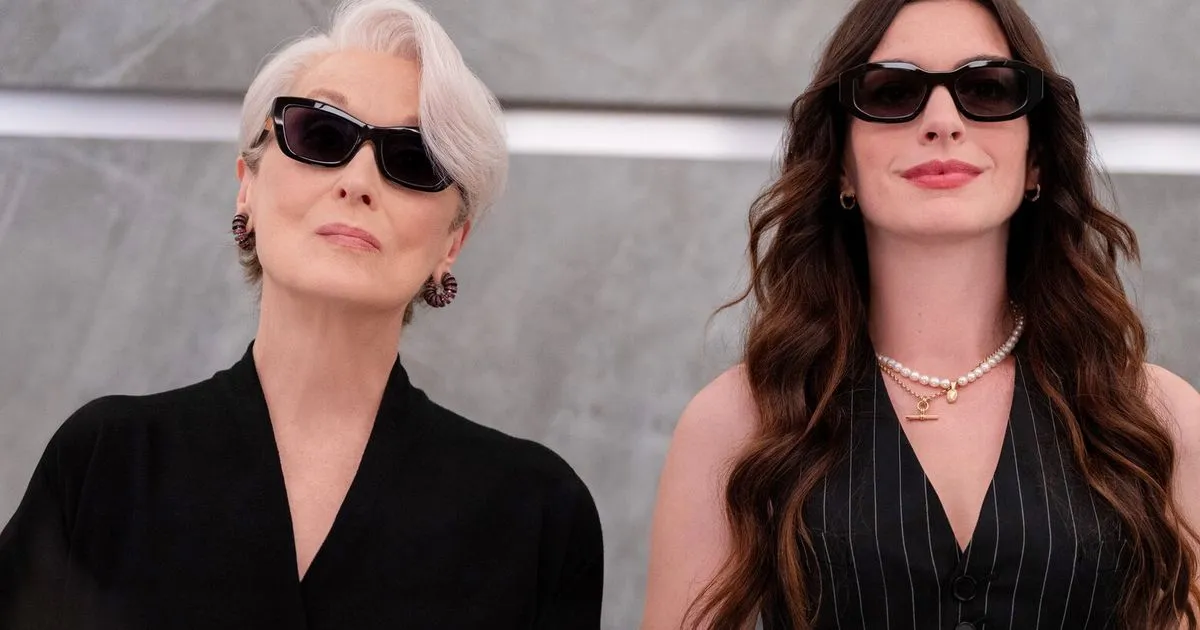
The upcoming The Devil Wears Prada 2 is set to critique the state of legacy media while reuniting beloved characters from the original film. Scheduled for release on May 1, 2026, this sequel brings back Meryl Streep as Miranda Priestly and Anne Hathaway as Andy Sachs, diving into the challenges faced by the fashion industry amidst a media crisis.
When the original film debuted in 2006, it became a cultural phenomenon, capturing audiences with its sharp wit and glamorous portrayal of fashion. Now, after 20 years, expectations run high for its sequel. However, early reviews suggest that this new installment may not capture the same playful spark.
The film’s plot revolves around a significant crisis in journalism, reflecting real-world challenges in media today. As Andy Sachs, Hathaway’s character expresses concerns about the industry’s direction: “We just can’t keep sucking the soul out of everything.” This sentiment resonates with many who feel that nostalgia-driven projects often lack originality.
Miranda Priestly, now aged 70, faces her own dilemmas. In a moment of frustration, she questions the film’s direction: “Why is this movie so fla-at?” Her character’s evolution mirrors changes in both fashion and media landscapes over two decades.
Despite criticisms suggesting it serves as a nostalgia-driven cash grab, fans can still look forward to cameos from various figures in the fashion world. The film aims to blend humor with serious commentary on how legacy means little in an ever-evolving industry.
Key themes explored:
- The impact of digital media on traditional journalism
- The tension between nostalgia and innovation in storytelling
- The evolution of iconic characters within a changing cultural context
As Meryl Streep returns to her iconic role, her performance has already been highlighted as a standout element of the sequel. With both excitement and skepticism surrounding its release, fans are eager to see how this legacy sequel will navigate its complex themes.
Ultimately, The Devil Wears Prada 2 aims to reflect on an industry at a crossroads—turning familiar faces into symbols for broader discussions about media and culture today.