Introduction to Methanol Poisoning
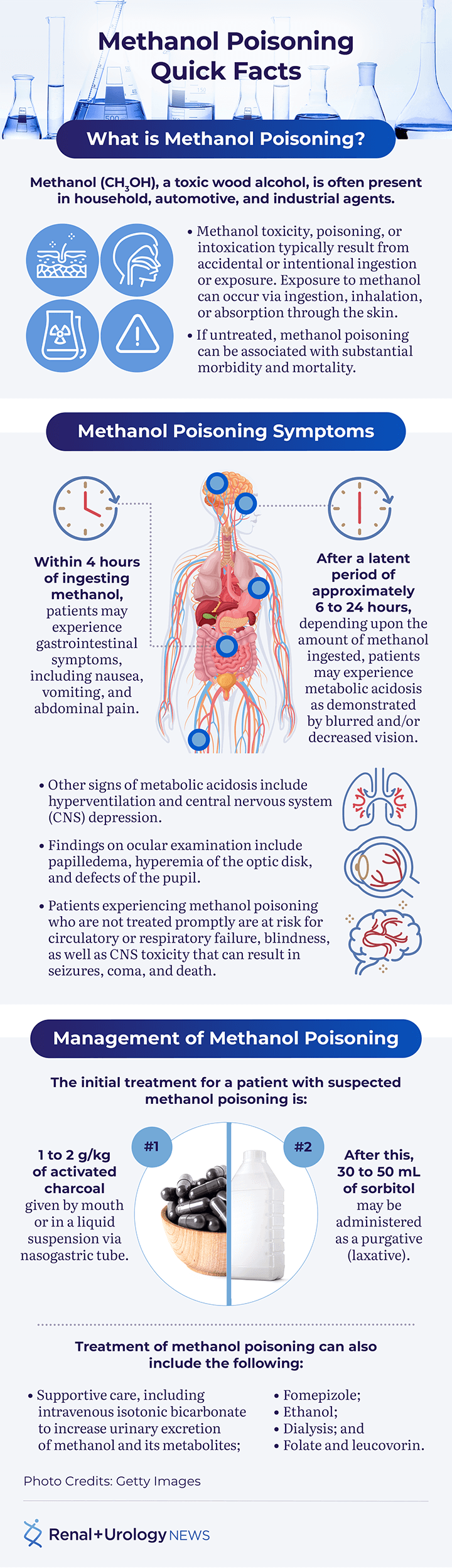
Methanol poisoning remains a significant global health risk, particularly in regions where methanol is used illicitly or where regulations are lax. Methanol, a toxic alcohol, is commonly found in products like antifreeze, cleaning agents, and even in some industrial processes. Due to its clarity and low cost, methanol is sometimes illicitly added to consumable spirits, leading to severe health consequences. Understanding the risks associated with methanol exposure is crucial for public health awareness and safety.
Current Incidents of Methanol Poisoning
In recent months, several incidents related to methanol poisoning have surfaced worldwide. For instance, reports from India indicate a disturbing rise in cases related to illegally brewed alcoholic beverages, with authorities linking over 50 deaths to methanol poisoning in just a few towns in the past month. Officials warn that drinking non-certified alcohol carries significant risks, and citizens must be educated about the dangers involved.
In Mexico, health officials reported an alarming spike in methanol-related hospital admissions due to contaminated beverages. The Mexican government has responded with increased surveillance of alcohol production and a public health campaign to educate consumers about recognising signs of toxic beverages.
Symptoms and Diagnosis
The symptoms of methanol poisoning can vary, but they often include headache, dizziness, nausea, vomiting, and in severe cases, visual disturbances that can lead to blindness. If left untreated, methanol poisoning can result in coma or death due to metabolic acidosis and multi-organ failure.
Healthcare providers typically diagnose methanol poisoning through a combination of patient history, symptoms, and laboratory tests, including checking blood levels of methanol and its metabolites.
Prevention Measures
Preventative measures are key to reducing the incidence of methanol poisoning. Authorities stress the importance of regulating alcoholic beverages more strictly and encouraging consumers to only purchase alcohol from reputable sources. Additionally, consumers should be aware of the signs of adulterated drinks and avoid purchasing spirits that are suspiciously cheap.
Conclusion
As incidents of methanol poisoning continue to emerge globally, raising awareness and implementing stringent regulatory measures become essential. Education is critical not only for adults but also for young people who may not be aware of the dangers of consuming unregulated alcohol. Health agencies worldwide must work collaboratively to address this issue, as the dangers of methanol exposure can significantly impact public health and safety. In an age where information can be broadly disseminated, it is vital that communities are informed about the risks of methanol poisoning and preventive actions they can take.