Introduction
The use of hotels to accommodate asylum seekers has become a pressing topic in the UK, raising issues of accommodation standards, human rights, and government policy. As the number of individuals seeking asylum in the UK grows, the reliance on hotels as temporary shelters has sparked public debate and scrutiny.
Background on Asylum Seekers in the UK
Since 2019, there has been a noticeable increase in the number of asylum seekers arriving in the UK, with the Home Office reporting over 45,000 applications in the last year alone. This surge has been exacerbated by global conflicts, economic instability, and climate change, leading to more people seeking refuge in safer countries like the UK.
Current Use of Hotels for Asylum Accommodation
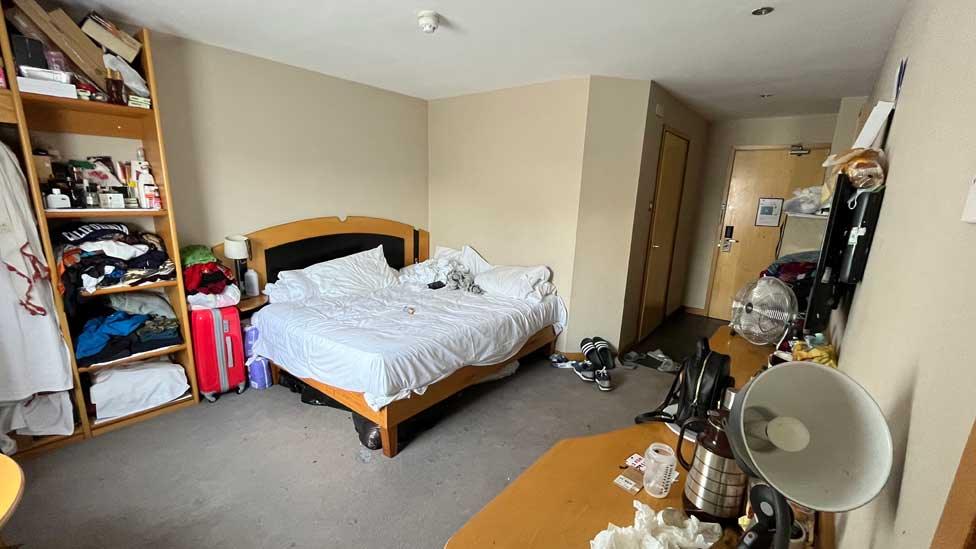
The UK government has been using hotels as a stopgap measure to house these incoming individuals, particularly as it struggles to find adequate accommodation in its asylum system. As of early 2023, over 30 hotels across the UK are housing around 37,000 asylum seekers. These establishments have become a focal point for discussions regarding the treatment of refugees.
Controversies Raised
While using hotels may provide temporary relief, it raises several concerns. Critics argue that housing vulnerable individuals in hotels does not provide the stability or community support that many need during their asylum process. Reports have surfaced of inadequate facilities, issues with security, and an overall lack of support services, leading to dissatisfaction and distress among residents. Local communities have raised concerns about the impact on local resources and services.
Government Response and Future Considerations
The UK government contends that using hotels is a necessary measure given the current pressures on the asylum system. In 2021, the Home Office announced an investment to enhance the ongoing treatment of asylum seekers, focusing on improving facilities and support. However, with increasing numbers and ongoing legal challenges regarding asylum procedures, the government faces mounting pressure to find long-term, sustainable solutions.
Conclusion
The situation surrounding asylum hotels in the UK highlights the complexities of managing asylum seekers in a fair and humane manner. The reliance on hotels is a temporary fix that may not address the long-term needs of individuals seeking protection. As the UK navigates this issue, it is critical for policymakers to consider both humanitarian imperatives and community perspectives, ensuring a balanced approach to refugee accommodation in the future.