Introduction to Algeria
Algeria, the largest country in Africa, has a rich history and a diverse cultural tapestry. From its ancient Berber roots to the remnants of French colonialism, Algeria’s journey has shaped its modern identity. Today, as the country navigates political and economic challenges, it remains a critical player in the African continent’s growth and development.
Political Developments
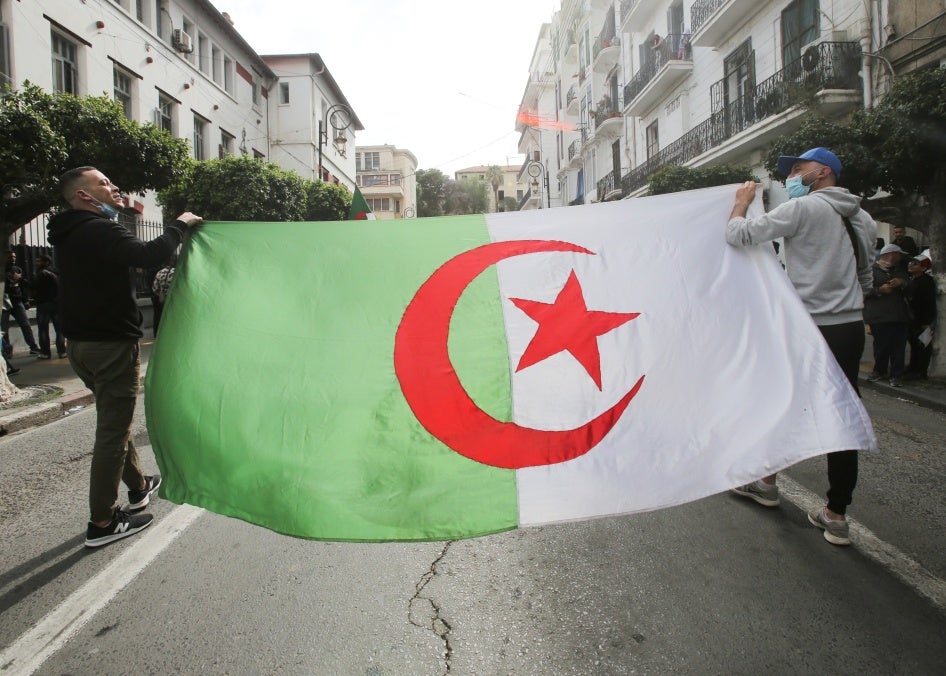
In recent years, Algeria has faced significant political upheaval. The Hirak movement, which began in February 2019, brought millions of Algerians to the streets demanding political reform and an end to corruption. Although the protests led to the resignation of longtime president Abdelaziz Bouteflika, the call for change continues to echo throughout the nation.
The current president, Abdelmadjid Tebboune, who took office in December 2019, has promised to implement reforms. However, many feel progress has been slow. Recent parliamentary elections in June 2021 saw the ruling National Liberation Front (FLN) lose its majority, indicating a potential shift in the political landscape and an appetite for change among the electorate.
Economic Landscape
Algeria’s economy is primarily driven by hydrocarbons, which account for approximately 90% of its export revenues. However, the country faces challenges in diversifying its economy. The global decline in oil prices has significantly impacted Algeria’s economy, leading to increased unemployment and social discontent.
In response, the government has initiated economic reform plans aimed at diversifying sources of revenue and reducing dependence on oil and gas exports. Efforts include promoting small and medium enterprises (SMEs) and investing in renewable energy sectors, including solar power.
Cultural Vibrancy
Despite its challenges, Algeria boasts a rich cultural heritage. The country is known for its contributions to music, art, and literature. The annual Fes Festival of World Sacred Music and numerous local festivals celebrate its diverse cultural expressions. Additionally, Algeria’s ancient sites, including the Roman ruins of Timgad and the Casbah of Algiers, attract visitors and highlight the nation’s historical significance.
Conclusion: Looking Ahead
Algeria stands at a crossroads. As it confronts and navigates political reform, economic diversification, and cultural preservation, the future holds both challenges and opportunities. The current generation’s commitment to change and the nation’s rich history may well guide Algeria towards a more prosperous and stable future, benefiting not only its citizens but also contributing to the wider African narrative.