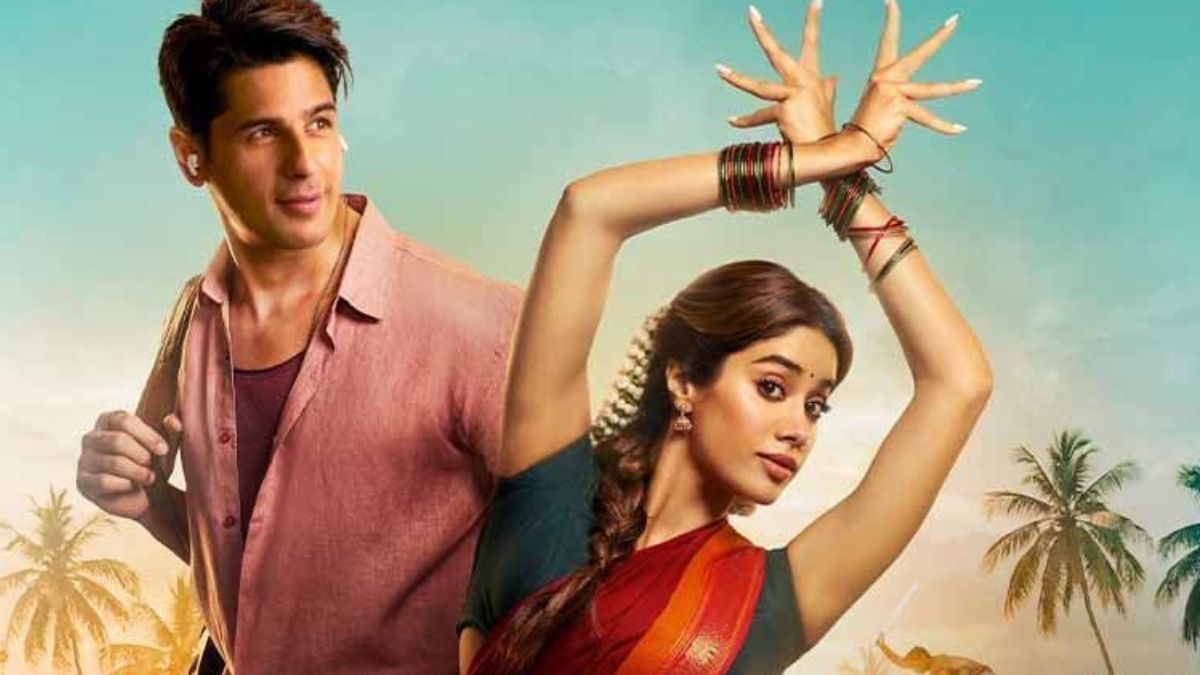
Introduction
‘Param Sundari’ has emerged as a pivotal cultural phenomenon, especially within the realm of Indian cinema and music. This hit song, from the highly acclaimed film ‘Mimi’, has not only garnered attention for its catchy beats and captivating choreography but has also sparked a a fresh wave of interest in film soundtracks and the narrative it encapsulates. The film, featuring renowned actress Kriti Sanon, revolves around the themes of motherhood and societal expectations, making the song’s cultural significance even greater.
Musical Composition and Popularity
Composed by the talented A.R. Rahman, ‘Param Sundari’ showcases a fusion of traditional and modern sounds that resonates with diverse audiences. The lyrics, penned by Amitabh Bhattacharya, brilliantly reflect the spirit of the protagonist, celebrating femininity and empowerment. Since its release, the song has not only topped charts but also inspired viral dance challenges on social media platforms, amplifying its reach across the globe. Its appeal is evident, with various artists and influencers showcasing their renditions, further embedding ‘Param Sundari’ in popular culture.
Film Context and Reception
‘Mimi’, the film integral to the song’s success, presents a bold narrative that challenges societal norms regarding motherhood and body image. Critics have lauded the film not just for its storyline but also for the way it features ‘Param Sundari’ as a pivotal moment that enhances character development. The fusion of music and storytelling in ‘Mimi’ has thus received positive reviews, making it a topic of discussion in film analyses and academic circles alike.
Cultural Relevance and Future Trends
The cultural relevance of ‘Param Sundari’ transcends the screen, as it contributes to ongoing dialogues regarding women’s rights and representation in art and entertainment. With more filmmakers and artists strategically using songs to comment on societal issues, ‘Param Sundari’ stands at the forefront, influencing how narratives are shaped in both music and film. Future releases will likely take cues from its success, blending captivating sound with meaningful stories.
Conclusion
‘Param Sundari’ is more than just a song; it is a cultural landmark that encapsulates the evolving landscape of Indian music and film. As audiences continue to explore its themes and artistry, the song’s impact will likely inspire future generations of artists. Its rise in popularity is a testament to the growing recognition of music as a powerful medium for storytelling and social change, reinforcing the idea that art can inspire and elucidate complex societal paradigms.