Introduction
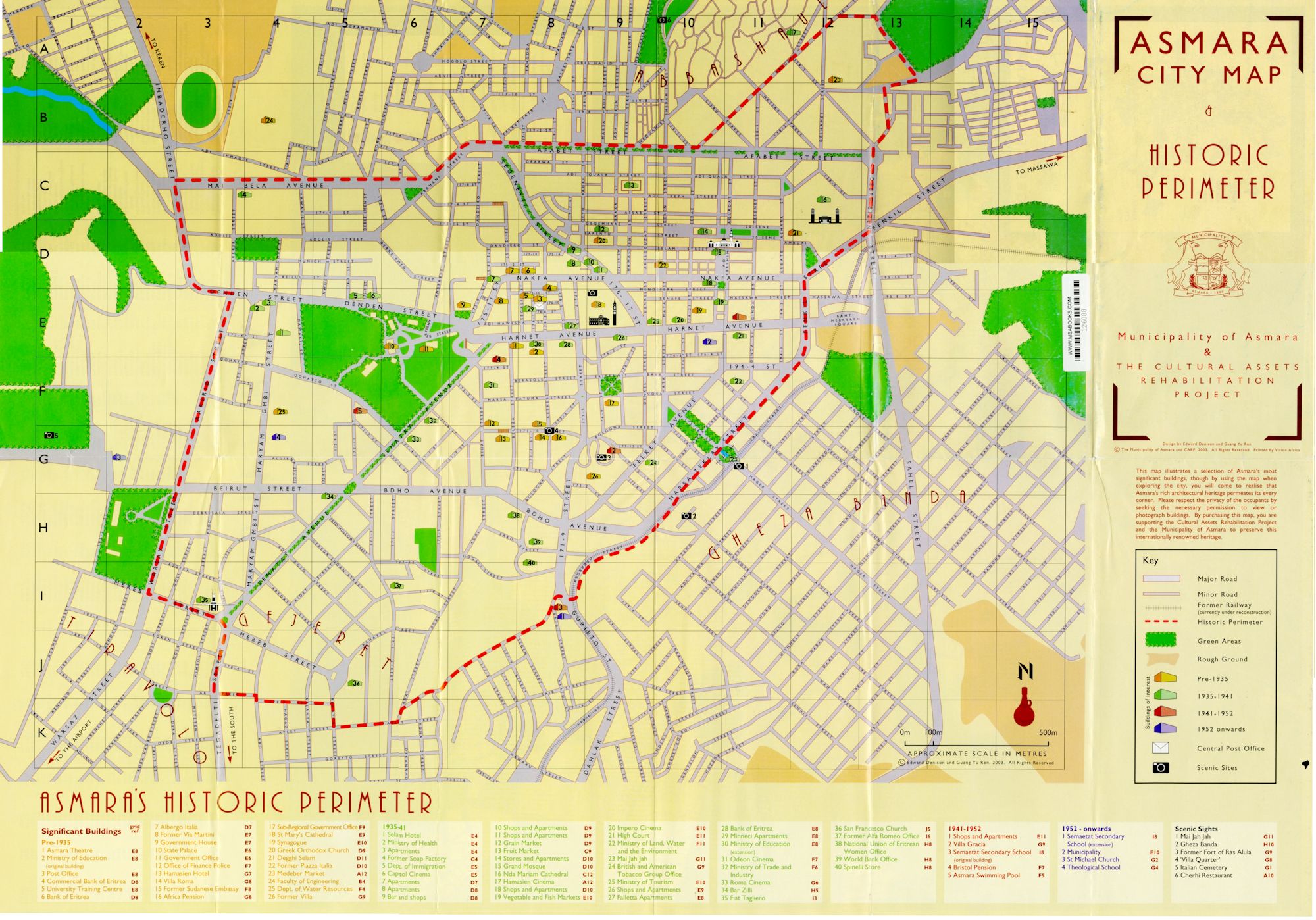
Asmara, the capital city of Eritrea, is renowned for its rich history and striking architecture. Recognised as a UNESCO World Heritage site in 2017, it stands out for its well-preserved Italian colonial buildings and has earned the nickname ‘Little Rome’. Asmara’s unique blend of cultures makes it an important destination for both historians and tourists alike.
Historical Context
The city was founded in the late 19th century when Eritrea was an Italian colony. Italian architects and builders designed the city with a European flair, resulting in an urban landscape featuring Art Deco buildings, modernist structures, and neoclassical designs. Key structures such as the Cathedral of Asmara and the Fiat Tagliero Building exemplify this unique architectural style. During the struggle for independence in the late 20th century, Asmara played a pivotal role in Eritrea’s fight for sovereignty, solidifying its place in the nation’s history.
Modern Developments
In recent years, Asmara has emerged as a symbol of resilience and culture for Eritrea. The city is undergoing modernisation efforts while striving to maintain its historical integrity. Initiatives have been launched to promote tourism, showcasing attractions such as local markets, cafes, and vibrant street life. The city’s unique coffee culture and bustling atmosphere make it an appealing destination for visitors looking to immerse themselves in Eritrean traditions.
Significance of Asmara Today
Asmara’s recognition by UNESCO highlights its global cultural significance, drawing attention not just to its architecture but also to the city’s role in Eritrea’s social and political landscape. Asmara also represents the country’s identity, combining diverse ethnic groups and cultures into a cohesive national narrative. This blend of heritage and modernity provides a rich tapestry for understanding Eritrean culture.
Conclusion
Asmara stands as a testament to Eritrea’s unique history, making it a crucial area of study for anyone interested in the interplay between culture, architecture, and identity. As ongoing efforts to boost tourism and preserve its cultural treasures continue, Asmara’s future seems promising, solidifying its role as an important hub in East Africa. For readers interested in travel, history, or architecture, Asmara is an awe-inspiring city that is undoubtedly worth exploring.