Introduction
Nigella, commonly known as black seed or kalonji, is a spice that has gained prominence not only for its distinctive flavour but also for its potential health benefits. With roots in ancient medicinal practices and increasing popularity in contemporary cooking, nigella deserves a closer look.
What is Nigella?
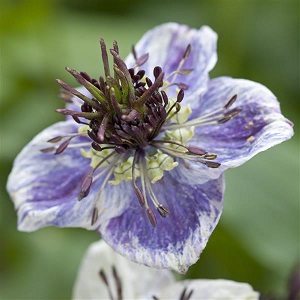
Nigella sativa is a flowering plant native to Southeast Asia and the Mediterranean region. The seeds, which are typically black and have a slightly bitter, peppery taste, are often used as a spice and have a long history of use in traditional medicine. They are featured in various cuisines, particularly in Middle Eastern, Indian, and North African cooking.
Recent Trends and Uses
In recent years, the culinary world has embraced nigella for its unique flavour profile. Chefs are incorporating nigella seeds into a variety of dishes, from baked goods and salads to main courses. Additionally, nigella oil has become a popular ingredient in health food circles, praised for its antioxidant properties.
The Health Benefits
Numerous studies have suggested that nigella may have various health benefits. Research has indicated that it possesses anti-inflammatory, anti-bacterial, and anti-diabetic properties. For example, a study published in the journal Phytotherapy Research highlighted nigella’s role in lowering cholesterol levels and managing blood sugar levels in diabetic patients.
Conclusion
As the interest in holistic health and natural remedies grows, nigella stands out as a spice that not only enhances culinary experiences but also offers multiple health benefits. Its versatility in the kitchen, combined with its medicinal properties, highlights why it is becoming a staple ingredient in many households. Moving forward, it is likely that nigella will continue to gain popularity, encouraging both amateur and professional cooks to explore its potential in the culinary world.