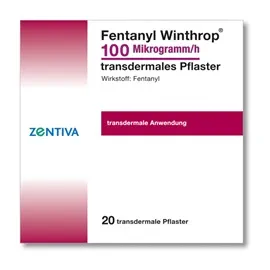
Introduction to Fentanyl
Fentanyl, a synthetic opioid, has been making headlines in recent years due to its increasing presence in the drug overdose crisis. It is estimated that fentanyl is responsible for over 70% of opioid overdose deaths in some parts of the world, primarily in North America. Its potency—estimated to be 50 to 100 times stronger than morphine—makes it particularly dangerous, leading to alarming rates of addiction and fatalities.
The Current Situation
According to the CDC, fentanyl-related overdose deaths increased exponentially from approximately 3,000 in 2013 to over 70,000 in 2021. The drug is often mixed with other illicit substances, such as heroin or cocaine, without users’ knowledge, significantly increasing the risk of a fatal overdose. Moreover, the rise of fentanyl manufacturing has also contributed to its widespread availability on the streets.
Governmental Response
In response to this crisis, governments worldwide are implementing various strategies to combat fentanyl-related fatalities. These include increasing access to naloxone, a life-saving medication that can reverse the effects of opioid overdose, as well as comprehensive public health campaigns aimed at educating the public about the dangers of fentanyl. Various research initiatives are also underway to find new treatments for addiction and to monitor the emergence of synthetic opioids.
Community Impact and Prevention
Communities struggling with fentanyl overdoses are mobilising to address the crisis through grassroots efforts, including harm-reduction programmes and support services for affected families. There is also a push for better support structures in mental health and substance abuse facilities to address underlying issues that contribute to addiction.
Conclusion
As fentanyl continues to pose a severe health risk and contributes significantly to the opioid crisis, it is vital for individuals and communities to be informed and prepared. The importance of awareness, preventive measures, and harm-reduction strategies cannot be overstated. The future of the fight against the fentanyl epidemic will depend largely on collaborative efforts between government agencies, health organisations, and community stakeholders to create a holistic response that can save lives.



