Introduction
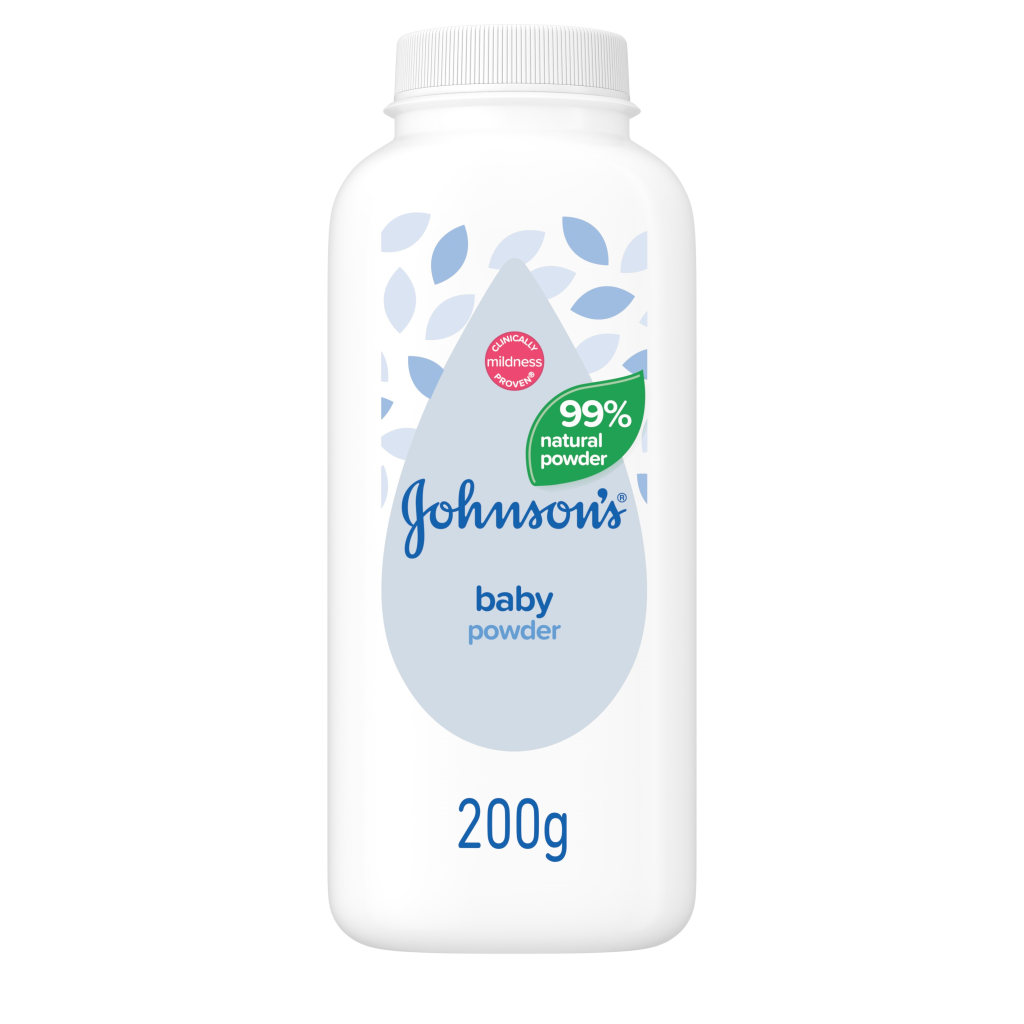
Johnson Baby Talcum Powder has been a staple in many households for decades, known for its soft, smooth texture and soothing properties for babies. However, the widespread use of this product has come under intense scrutiny due to ongoing lawsuits and concerns over its safety. The relevance of this topic has surged as more consumers become educated about the potential risks associated with talcum powder, particularly its connection to cancer and other health issues.
Background and Recent Developments
Johnson & Johnson (J&J) first launched its baby powder product in the early 20th century, quickly becoming a trusted household brand. However, in recent years, it has faced legal challenges claiming that its talcum powder contains asbestos, a known carcinogen. In July 2021, J&J announced plans to discontinue sales of its talc-based baby powder in the United States and Canada, a decision highlighted by mounting research linking talcum powder with ovarian cancer. This announcement came alongside a $2.1 billion verdict against the company in a court case involving thousands of plaintiffs who claimed that the product led to cancer.
A significant report by the International Agency for Research on Cancer has classified talc as possibly carcinogenic to humans when contaminated with asbestos. This has prompted regulatory bodies and health experts to re-evaluate the safety of talcum powder products, pushing many consumers to reconsider their use.
Public Response and Implications
The public reaction has been mixed. Some parents are now seeking alternative products, opting for cornstarch-based powders that are marketed as safer options. Many consumers have expressed distrust in Johnson & Johnson’s products, leading to increased calls for transparency in the cosmetic industry.
As of 2023, the company is actively transitioning its product line to include safer alternatives without talc. J&J has committed to reformulating its existing products while addressing consumer concerns regarding the health implications of talc use. The company is also working toward settling ongoing litigation, aiming to provide compensation for those affected by the alleged health problems caused by its baby powder products.
Conclusion
The controversy surrounding Johnson Baby Talcum Powder serves as a cautionary tale about the importance of product safety and consumer awareness. As more information emerges regarding the potential hazards of talcum powder, it is imperative for buyers to stay informed. Johnson & Johnson’s decision to discontinue talc production and shift toward safer alternatives marks a significant turn in the cosmetics industry, providing hope for consumers seeking safe baby care products.
Looking ahead, one can expect increased regulation and scrutiny within the beauty and personal care sectors, prioritising consumer safety and promoting healthier alternatives to well-established products.