Introduction
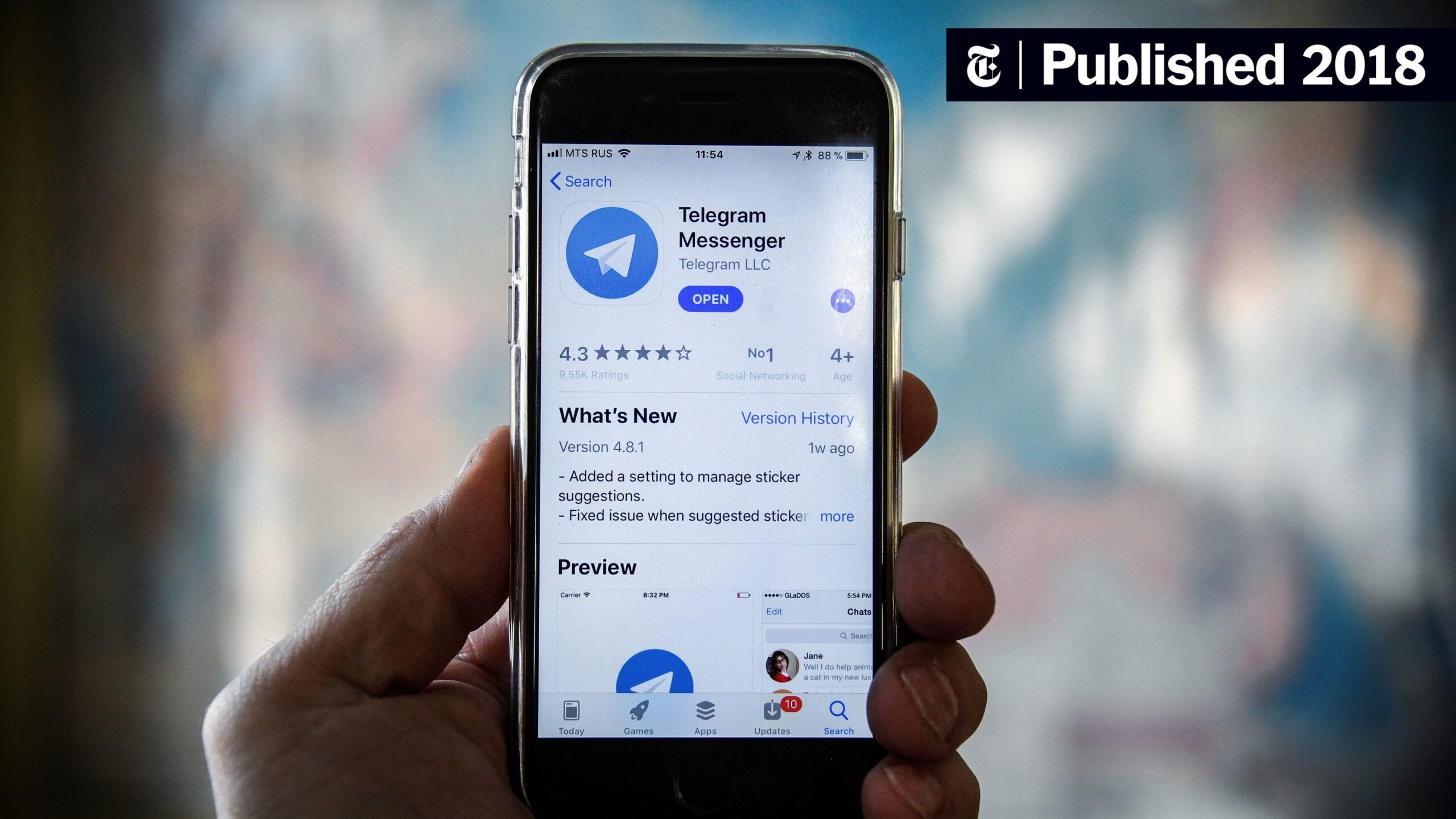
The recent ban on the Telegram messaging app by the Russian government has raised significant concerns regarding freedom of expression and digital communication in the country. As an increasingly popular platform for both general communication and information sharing, the banning of Telegram highlights the ongoing tensions between state control and individual rights, making it a vital topic for both domestic and international audiences.
Current Developments
On October 15, 2023, Russia’s communications watchdog, Roskomnadzor, announced a crackdown on the use of Telegram, citing its failure to comply with local regulations regarding data encryption and user privacy. In the past year, Telegram has become a preferred platform for opposition voices and activists, particularly following recent events that saw large-scale protests against government policies. The ban is viewed by many as an attempt to curb dissent and control the narrative within the country.
As a response, Telegram’s developer has initiated legal measures to contest the ban, arguing that it violates the principles of free speech and the right of individuals to communicate without state interference. The service has been a vital communication tool for many, promoting anonymous interactions which have been especially important for those wishing to express dissent without fear of repercussions.
The Impact of the Ban
The consequences of the Telegram ban in Russia are multifaceted. Users face significant disruptions in their ability to communicate freely and exchange information. Many are already considering alternatives, with some looking towards VPNs and other encrypted messaging services to circumvent the restrictions. Notably, the popularity of alternative platforms has surged since the announcement, indicating a shift in user behaviour in response to the increasing crackdown on digital freedoms in Russia.
Conclusion
The ramifications of the Russia Telegram ban extend beyond simple communication restrictions; they signify a broader struggle over digital rights and personal freedoms in the face of authoritarian governance. As the situation unfolds, it will be critical for users, policymakers, and human rights advocates to monitor developments closely. Future prospects could hinge on both domestic resistance actions and international pressures aimed at protecting digital freedoms in Russia, highlighting the urgent need for allies to support those striving for an open and free internet.