Introduction
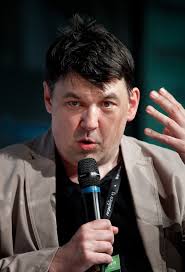
Graham Linehan, an Irish television writer known for his work on the sitcom ‘Father Ted’, has become a polarizing figure in recent years. What was once a celebrated career has turned into a narrative intertwined with debates on gender identity and free speech. As social media continues to amplify discussions on these topics, understanding Linehan’s stance and its repercussions is more relevant than ever.
Background on Graham Linehan
Born on April 22, 1970, Linehan gained fame during the 1990s for ‘Father Ted’, which remains a beloved classic in British television comedy. However, following his involvement in the public discussions surrounding transgender issues, his reputation has drastically shifted. Linehan has consistently voiced his opposition to certain aspects of the transgender movement, leading to significant backlash from various communities and activists.
Recent Controversies
In recent years, particularly after 2019, Linehan’s comments on social media have sparked widespread debate. Many have accused him of transphobia, a claim he vehemently denies, stating that his objections are based on a belief in women’s rights. His opinions have resulted in a loss of employment opportunities, as several platforms and organisations distanced themselves from him. He has faced suspensions from Twitter, where much of the discourse surrounding his views has unfolded.
Public Reactions
The response to Linehan’s views has been notably divisive. Supporters believe he champions a critical discussion point regarding women’s rights and safeguarding. Conversely, critics argue that his rhetoric is harmful and contributes to a culture of intolerance against transgender individuals. This dichotomy highlights a broader societal conflict regarding gender identity, highlighting how social media can both empower and polarise discussions.
Legal Battles
Linehan has also found himself embroiled in legal battles related to his statements and critiques of transgender activism. These cases further stress the implications of online discourse, where freedom of speech intersects with the rights of individuals to live free from discrimination. While some legal experts contend that Linehan’s cases underscore the need for clarity around free speech regulations, others argue they highlight potential risks for vulnerable communities.
Conclusion
The saga of Graham Linehan serves as a crucial case study in contemporary debates over gender, free speech, and social media’s role in public discourse. As discussions surrounding gender rights continue to evolve, the responses to Linehan’s views will likely serve as a touchstone for broader societal attitudes toward these critical issues. Understanding this controversy not only sheds light on the complexities of the topics at hand but also encourages readers to reflect on the often polarised narratives that shape public opinion.