Introduction
Norman Bates, a fictional character created by author Robert Bloch, first graced the pages of the novel “Psycho” in 1959, later coming to life on screen in Alfred Hitchcock’s film adaptation in 1960. The character has since become a symbol of horror cinema, representing the complexities of human psychology and the thin line between sanity and madness. With the recent resurgence of horror-themed media, Bates’ profound influence continues to resonate in contemporary storytelling, cementing his status as a cultural icon.
The Character and His Origins
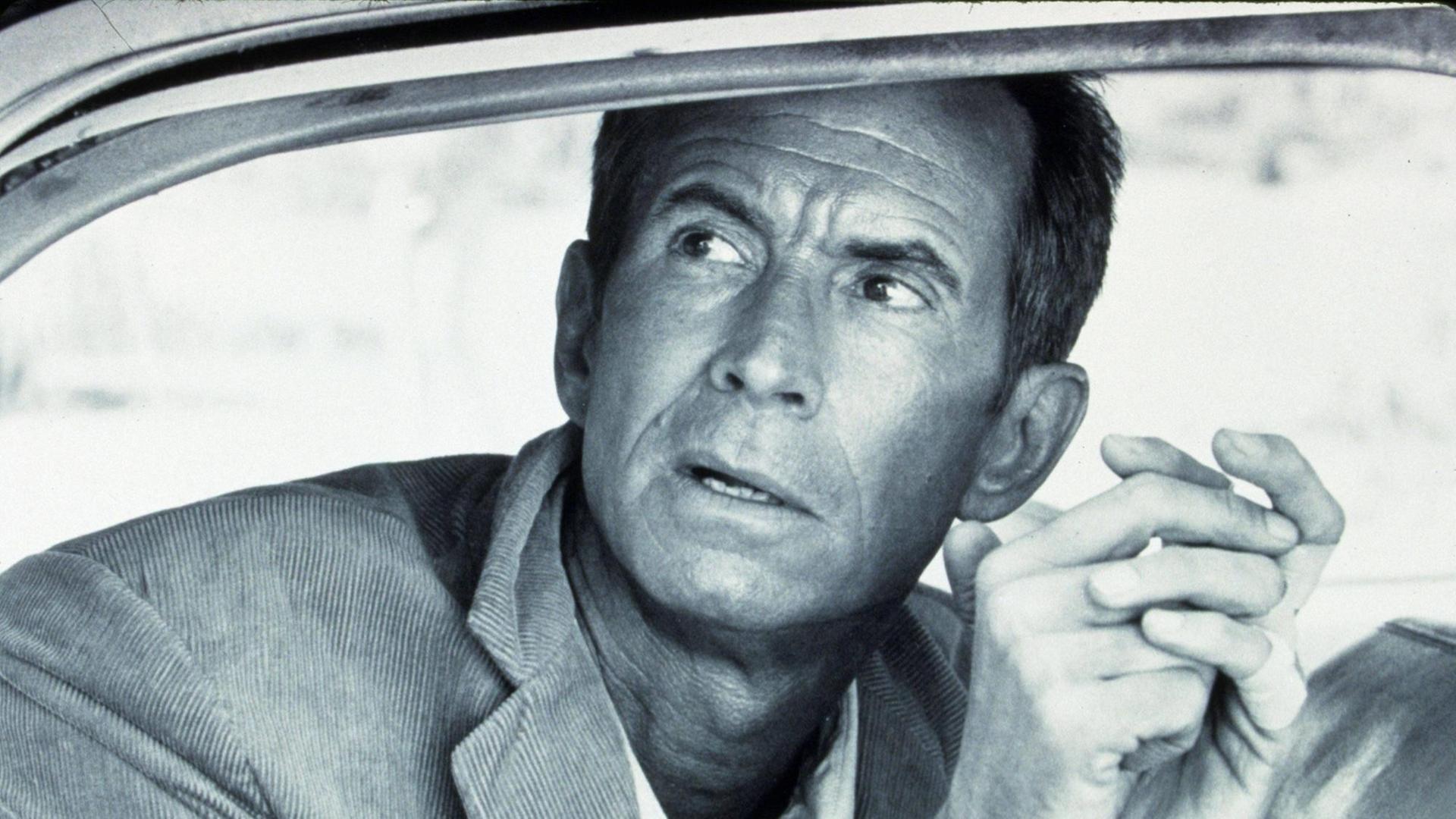
Norman Bates is portrayed as a troubled young man managing a secluded motel, who becomes infamous for his unsettling relationship with his overbearing mother, Norma Bates. This dysfunctional dynamic plays into Bates’ psychological struggles, leading to tragic and gruesome outcomes. Hitchcock’s masterful direction and Anthony Perkins’ chilling performance brought Bates to life, affecting audiences profoundly and setting a new standard for psychological thrillers.
Recent Cultural Impact
In recent years, the character of Norman Bates has been revisited in various forms of media, including the critically acclaimed television series “Bates Motel.” This series explores Bates’ backstory, further delving into his psychological complexities and the trauma that shaped him into the figure seen in “Psycho.” In this prequel, viewers witness Norman’s gradual descent into madness, highlighting societal issues such as mental illness and familial dysfunction. The show’s success has reignited interest in both the character and the themes explored in the original film.
Discussion on Mental Health Representation
Norman Bates’ character raises important discussions around mental health and the representation of psychological disorders in media. While his story is undoubtedly fictional and sensationalised, it reflects broader concerns regarding the stigma associated with mental illness, particularly how it is often depicted in horror contexts. As audiences engage more critically with such representations, conversations grow about the implications and responsibilities of filmmakers and writers when illustrating complex mental health issues.
Conclusion
The legacy of Norman Bates extends beyond the horror genre; it speaks to the human experience, challenging viewers to confront their fears and question the nature of sanity. As new adaptations and interpretations continue to emerge, the character serves as a stark reminder of the intricacies of the human mind and the societal narratives we construct around it. As we look to the future of horror storytelling, one can only wonder how Norman Bates will evolve and impact the genre once again.