Introduction
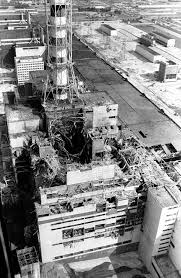
The Chernobyl disaster, which occurred on April 26, 1986, remains one of history’s most catastrophic nuclear accidents. It not only dramatically affected the health and environment of the local region but also reshaped policies surrounding nuclear energy globally. As the 37th anniversary approaches, the relevance of Chernobyl is increasingly visible as discussions regarding nuclear safety, energy policies, and environmental health continue to evolve in the face of current global energy demands.
The Accident and Immediate Aftermath
The explosion at the Chernobyl Nuclear Power Plant in Ukraine released vast amounts of radioactive particles into the atmosphere, which spread across Europe. The immediate response was chaotic, marred by delays and a lack of information, with firefighters and plant workers initially unaware of the severity of radiation exposure. The Soviet government eventually evacuated over 100,000 people from the surrounding regions, including the now-infamous ghost town of Pripyat, where residents had only hours to leave behind their homes.
Health and Environmental Impact
The long-term effects of the disaster have been profound. A 2006 report by the Chernobyl Forum indicated that radioactive fallout has caused thousands of additional cancer cases, particularly thyroid cancer. The area surrounding the disaster, notably the 30-kilometre exclusion zone, has witnessed unusual ecological changes, with flora and fauna reclaiming the land. Despite the risks imposed by radiation, some species of wildlife thrive in the absence of human activity.
Policy Changes and Nuclear Safety
In the wake of the Chernobyl accident, there was a global shift in nuclear policy. Many countries reconsidered their strategies regarding nuclear power, leading to increased safety regulations and inspections worldwide. The disaster served as a crucial wake-up call for nuclear energy technologies, leading to the establishment of stringent protocols for emergency preparedness and response.
Relevance Today
Today, as nations search for sustainable energy sources to combat climate change, the legacy of Chernobyl serves as both a cautionary tale and a component of ongoing debates about nuclear power’s role. The event’s historical significance has inspired numerous documentaries, books, and even television series, underscoring the enduring fascination and concern surrounding nuclear technology. Furthermore, as advancements continue in nuclear technology, the lessons learned from Chernobyl play a vital role in shaping future energy strategies.
Conclusion
The Chernobyl disaster undoubtedly left an indelible mark on the world. Its impact extends beyond the immediate tragedy, influencing health, environmental practices, and international nuclear policies to this day. As we reflect on the past and its lessons, it is essential to examine how they inform our present and future choices regarding energy consumption and safety. For a world increasingly reliant on energy innovations, the legacy of Chernobyl remains a pivotal point of reference.