Introduction
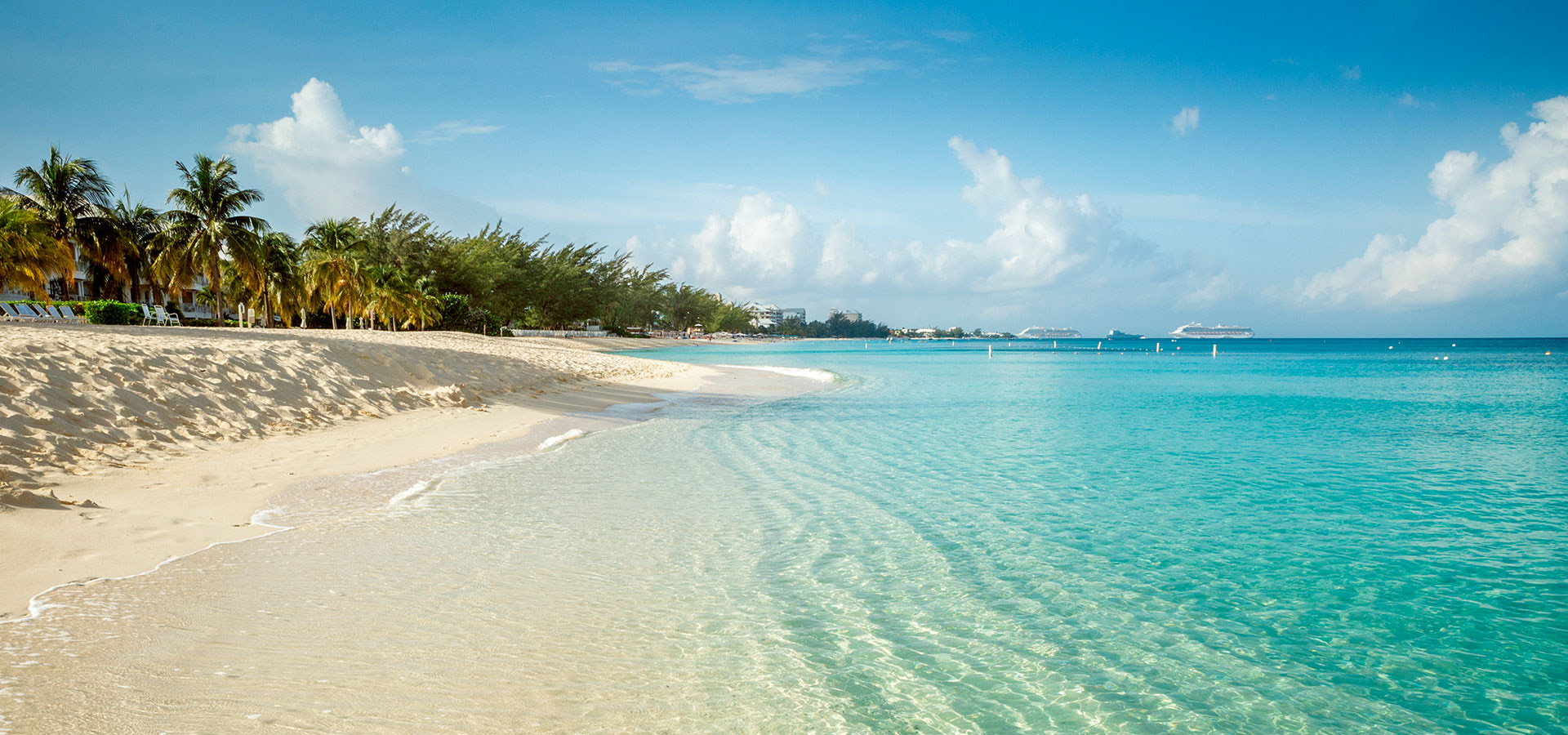
The Cayman Islands, a British Overseas Territory in the Caribbean, have become increasingly popular as a holiday destination and a financial hub. Renowned for their stunning beaches, crystal-clear waters, and rich marine biodiversity, the islands offer both tranquil relaxation and vibrant adventure. As international travel resumes in the wake of the pandemic, the unique allure of the Caymans represents not just leisure opportunities but also economic significance for the region.
Current Events and Developments
As of 2023, the Cayman Islands government has been working diligently to promote sustainable tourism while maintaining its financial services sector. Records indicate that in the first half of 2023, tourism numbers rebounded significantly, reaching approximately 80% of pre-pandemic levels, with over 1.5 million visitors recorded. This surge is attributed to the islands’ strict health protocols during the pandemic, which instilled confidence among travellers.
Recent developments include the opening of new luxury hotels and resorts on Grand Cayman, such as the highly anticipated Ritz-Carlton, which aims to draw high-end clientele while prioritising eco-friendly practices. Additionally, the government has implemented initiatives aimed at protecting the marine environment, ensuring that the vibrant ecosystems that attract divers and snorkelers remain preserved.
Financial Sector Growth
Beyond tourism, the Cayman Islands continue to solidify their status as a premier financial jurisdiction. Recent data from the Cayman Islands Monetary Authority revealed a steady increase in the registration of new investment funds, buoyed by the islands’ favourable business environment and legal frameworks. The local economy, heavily reliant on both tourism and financial services, is showing signs of diversification, with emerging sectors such as technology and renewable energy gaining traction.
Conclusion
As the Cayman Islands navigate the dual challenges of enhancing tourism and maintaining their reputation as a financial centre, the focus on sustainable practices could set a precedent for other Caribbean nations. The islands serve as a prime example of how to balance ecological preservation with economic growth. Looking ahead, it is plausible that the Cayman Islands will continue to attract both holidaymakers and businesses, contributing positively to their long-term economic resilience and environmental stewardship. For readers interested in travel or investment, the Cayman Islands remain a significant point of interest and opportunity.