Introduction
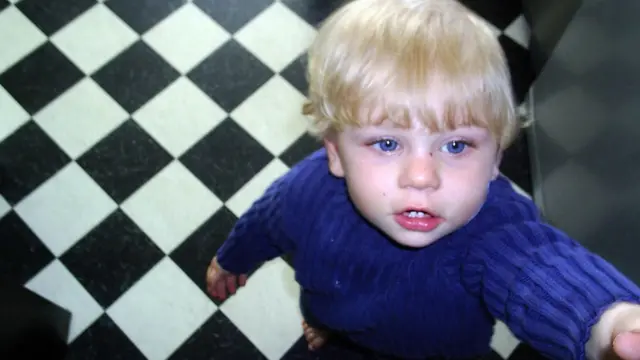
The tragic case of Baby P, also known as Peter Connelly, has left an indelible mark on the landscape of child protection in the United Kingdom. His death in 2007 highlighted significant failings within child safeguarding systems, igniting a national conversation about the effectiveness of these practices. The repercussions of this case have influenced policies, procedures, and the way social services operate to protect vulnerable children.
The Circumstances Surrounding Baby P’s Death
Baby P was just 17 months old when he was found dead in his home in Haringey, London. His mother, along with her boyfriend and their lodger, were responsible for the horrific abuse he suffered in the months leading up to his death. Despite being under the watchful eyes of social services, health professionals, and the police, warning signs were repeatedly ignored or overlooked. An official inquiry into his case revealed that the various agencies involved failed to communicate effectively, which ultimately led to tragedy.
Public Outcry and Legal Consequences
The news of Baby P’s death sparked outrage across the nation. Following the serious case review, it became evident that systemic failures had occurred at multiple levels. As a result, the case led to the resignations of several high-profile officials, including Director of Children’s Services Sharon Shoesmith. In 2010, a serious case review concluded that there had been a lack of collaboration and a failure to act despite several referrals regarding Baby P’s welfare.
Impact on Policies and Procedures
In the wake of Baby P’s death, the UK government undertook significant reforms in child protection policies. The case prompted the establishment of multi-agency safeguarding hubs designed to improve collaboration between agencies. Moreover, it led to more stringent training and procedures for social workers and front-line staff to better identify the risks associated with vulnerable children.
Current Child Protection Landscape
As of 2023, the legacy of Baby P remains a crucial reference point in conversations about child safeguarding. Continuous reviews and updates to child protection policies highlight an ongoing effort to prevent such tragedies. Recent reports indicate that while improvements have been made, challenges still persist within the system, requiring constant vigilance and commitment from authorities to ensure the welfare of children is prioritised.
Conclusion
The case of Baby P was not just a heart-wrenching story; it became a catalyst for change in child safeguarding measures in the UK. As society looks forward, the lessons learned from Baby P’s story emphasise the necessity of comprehensive, cohesive efforts from multiple agencies, to ensure that children are kept safe from harm. There remains a pressing responsibility among all stakeholders involved in child welfare, as the safety and protection of children must always be at the forefront.



