Introduction
The BTK Killer, an acronym for “Bind, Torture, Kill,” is one of the most infamous serial killers in American history. Active from 1974 to 1991, he taunted law enforcement and the public with cryptic letters detailing his gruesome crimes. The relevance of discussing the BTK Killer lies not only in understanding the psychology of such offenders but also in highlighting the advancements in forensic science that led to his eventual capture in 2005.
The Crimes and the Investigation
Between 1974 and 1991, the BTK Killer took the lives of ten victims in and around Wichita, Kansas. His killings included a range of brutal methods that left communities in fear. After a prolonged period of silence, he resurfaced in the early 2000s, communicating with news outlets and the police, which both fascinated and horrified the public. These letters were filled with details that only the killer could know, allowing him to mock the authorities and generate widespread panic.
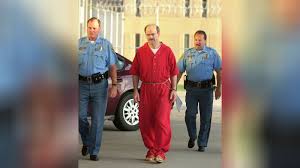
It wasn’t until 2005, after years of investigation and with the aid of technological advancements in DNA profiling, that law enforcement apprehended Dennis Rader, the individual behind the mask of the BTK Killer. Rader, a seemingly ordinary man, had managed to hide in plain sight for decades, serving in various community roles including as a cub scout leader and church president.
Rader’s Capture and Trial
The breakthrough in the case came when Rader’s daughter unknowingly led investigators to him. By sending in a floppy disk with metadata that linked back to Rader, authorities were able to arrest him. In 2005, he admitted to the murders and was sentenced to ten consecutive life terms in prison without the possibility of parole, which provided some closure to the victims’ families.
Conclusion
The case of the BTK Killer remains a chilling reminder of the darkness that can exist within individuals. Its significance extends beyond just the gruesome details of the crimes to encompass themes of fear, justice, and the quest for understanding the psyche of violent offenders. As forensic technology continues to evolve, the legacy of the BTK case is a testament to the crucial role such advancements play in solving cold cases and fostering a sense of safety in society.