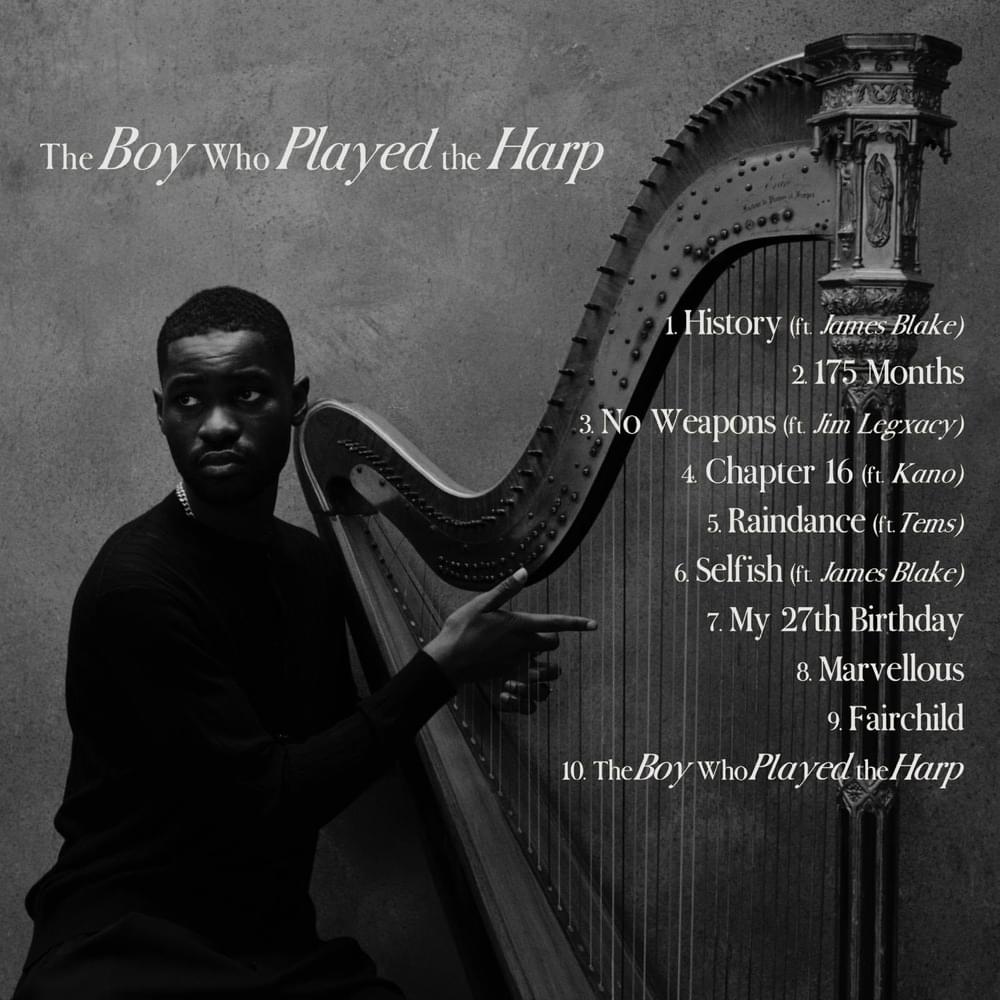
Introduction
The story of ‘The Boy Who Played the Harp’ has garnered attention recently, highlighting the powerful role of music in the lives of young individuals. This narrative resonates deeply with audiences, as it emphasizes themes of perseverance, passion, and talent. In a world where digital screens often overshadow traditional art forms, this story serves as a reminder of the beauty and importance of nurturing musical ability in children.
The Story Unfolds
In a small village in the countryside of England, a young boy named Samuel discovered an old harp tucked away in his grandmother’s attic. Although the instrument was covered in dust and minor scratches, to Samuel, it was a treasure waiting to be explored. Driven by curiosity, he began to teach himself the basics of playing, often spending hours experimenting with the strings, creating sounds that filled the quiet house.
His passion did not go unnoticed. Neighbours were drawn to the enchanting melodies wafting through the open windows. Seeing the boy’s determination, Mrs. Thompson, a retired music teacher, approached Samuel and offered him lessons. Under her guidance, Samuel’s skills flourished. His talent quickly became evident when he performed at local community events, captivating audiences and earning praise from both friends and family.
A Wider Audience
Recently, Samuel’s journey took a significant turn when a video of his performance was shared on social media, going viral within days. The video showcased his heartfelt rendition of classic tunes, resonating with viewers not just for the music but for the pure joy expressed on his face. This newfound attention brought opportunities he had never dreamed of, including invitations to perform at larger venues and collaborate with established artists.
In light of his rising fame, many have begun to advocate for music education in schools, citing Samuel’s story as an inspiration. Music not only fosters creativity but also enhances cognitive abilities and emotional intelligence, making a strong case for music programs in educational curriculums.
Conclusion: The Significance of Music Education
The tale of ‘The Boy Who Played the Harp’ is more than just the story of a talented child; it embodies the importance of supporting young artists in their pursuits. As Samuel continues to thrive, his influence extends beyond music, encouraging children to explore their passions, no matter how unconventional they may seem. As we reflect on his journey, we are reminded that creativity must be nurtured, and that every child deserves the chance to find and hone their artistic voice. Samuel’s story is a testament to the transformative power of music and the essential role of community in fostering talent.