Introduction to the Biafra Movement
The Biafra movement represents a significant and complex chapter in Nigeria’s history. Originating in the mid-20th century, it has evolved over decades and continues to influence socio-political dynamics in the country. The relevance of the Biafra movement has resurfaced recently, raising important questions about ethnic identity, governance, and the quest for self-determination in Nigeria.
Historical Background
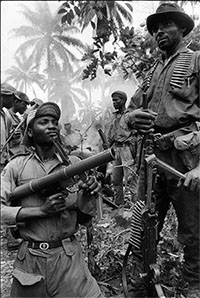
The movement began in the wake of Nigeria’s independence in 1960, amidst ethnic tensions and competition between various groups, particularly the Igbo, Hausa-Fulani, and Yoruba. In 1967, a declaration of independence was made by Colonel Odumegwu Ojukwu, leading to the Nigeria-Biafra War (1967-1970), which resulted in significant loss of life and deep scars in the societal fabric. The conflict was marked by severe humanitarian crises and starvation, affecting millions of lives.
Current Developments
In recent years, calls for the revitalization of the Biafa movement have intensified, spearheaded by groups such as the Indigenous People of Biafra (IPOB). Founded in 2012, IPOB has advocated for a peaceful referendum for the people of Biafraland to determine their status. The current push for independence is largely driven by the perceived marginalization of the Igbo people in Nigeria’s political and economic systems. Tensions escalated in 2021 when the Nigerian government designated the IPOB as a terrorist organization, further complicating the dialogue surrounding self-determination.
International Reactions and Implications
The international community has increasingly taken notice of the situation in Nigeria, particularly concerning human rights violations and the treatment of IPOB members. Reports of clashes between IPOB supporters and Nigerian forces have raised alarm bells globally, with calls for peaceful negotiations to address the underlying issues. The significance of the Biafra movement extends beyond Nigeria; it serves as a case study for other secessionist movements and self-determination claims around the world.
Conclusion: Looking Forward
The future of Biafra remains uncertain, as the movement contends with both internal and external pressures. The interplay of identity, governance, and human rights will continue to shape the narrative. For readers, understanding the nuances of the Biafra movement is essential in comprehending Nigeria’s broader socio-political landscape. As the world watches, the question remains whether a peaceful resolution can be achieved that addresses the aspirations of the Biafran people while fostering peace and unity in Nigeria.



