Introduction
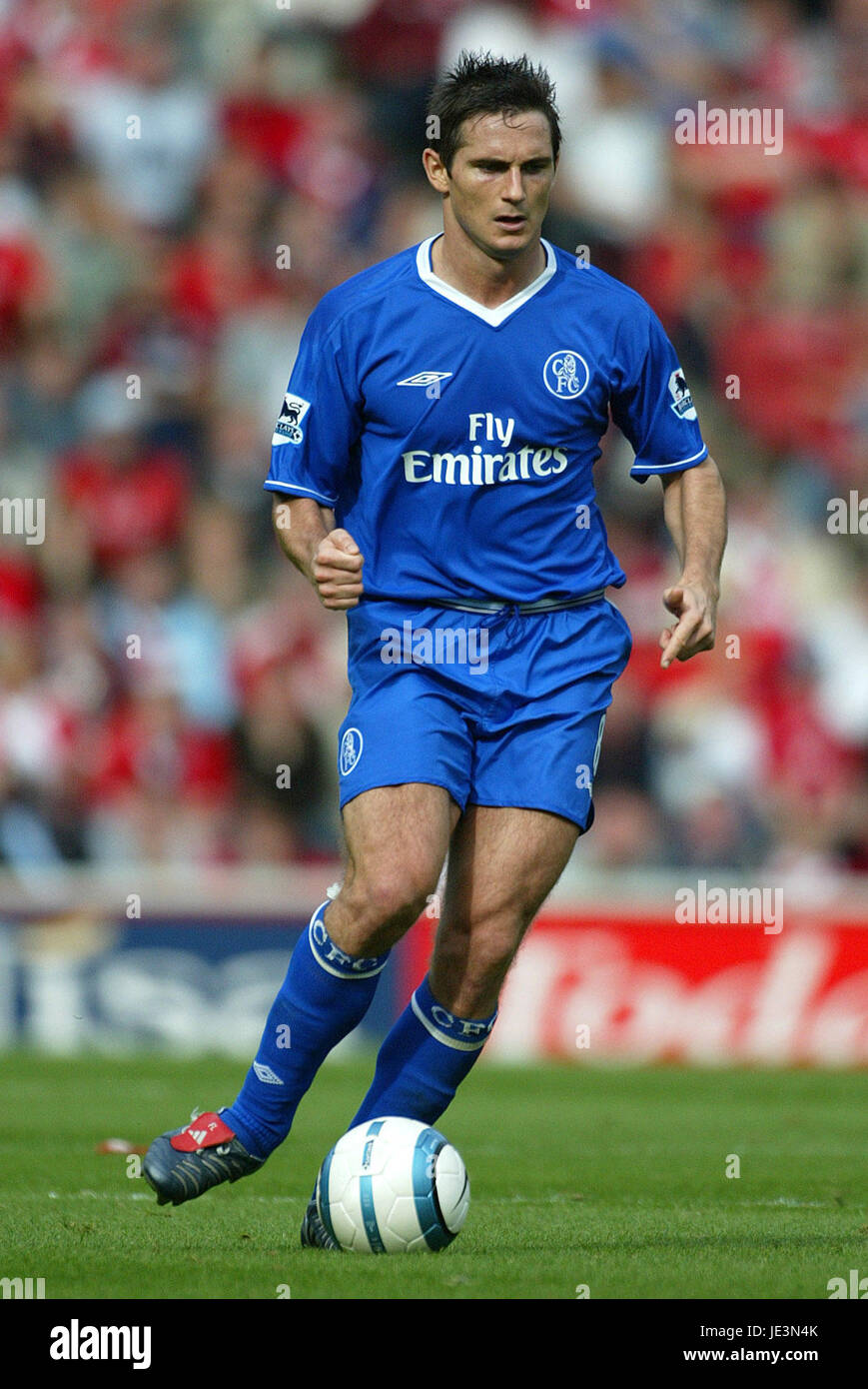
Frank Lampard is a name synonymous with modern football. Renowned for his exceptional skills as a midfielder, he has left a lasting legacy both as a player and a manager. Lampard is particularly celebrated for his time with Chelsea FC, where he became the club’s all-time leading scorer and was an integral part of their success during the 2000s and 2010s. In a world dominated by sports figures, understanding Lampard’s journey highlights the blend of talent, hard work, and determination required to achieve greatness.
Career As a Player
Frank Lampard commenced his professional career at West Ham United in 1995, establishing himself as a promising young talent. However, it was his move to Chelsea in 2001 that marked the turning point in his career. Over 13 seasons at the club, Lampard made 648 appearances and scored a remarkable 211 goals. His ability to score from midfield and his tactical intelligence won him numerous personal accolades, including the FWA Footballer of the Year in 2005.
Throughout his career at Chelsea, Lampard won three Premier League titles, four FA Cups, two League Cups, and the UEFA Champions League in 2012. His contributions helped cement Chelsea’s position as one of the top clubs in Europe. After successful spells at Manchester City and a stint in Major League Soccer with New York City FC, Lampard retired from professional play in 2016.
Transition to Management
Following retirement, Lampard transitioned into football management, taking the managerial role at Derby County in 2018. He guided the team to the Championship play-off final within his first season, which showcased his potential as a coach. In 2019, he returned to Chelsea as head coach, a position that came with high expectations given his legendary status at the club.
Under his management, Chelsea finished fourth in the Premier League and reached the semifinals of the Champions League in 2020. However, due to inconsistent performances the following season, he was dismissed in January 2021. Shortly after, he was appointed manager of Everton, where he continues to navigate the challenges of Premier League management.
Conclusion
Frank Lampard’s journey in football, from player to manager, serves as an inspiration to many aspiring athletes and coaches. His enduring legacy is not only marked by the trophies and records he holds but also by his leadership and resilience in the face of challenges. As he continues his managerial career, fans and analysts will be watching closely to see how Lampard navigates the evolving landscape of football management, potentially influencing a new generation of players.