Introduction
Born in the vibrant city of Seville in 1617, Bartolomé Esteban Murillo remains one of the most celebrated painters of the Spanish Golden Age.
His works not only reflect the religious and social fabric of 17th century Spain but also illustrate an evolution in Baroque art. The significance of Murillo’s artistry continues to resonate today, making him a focal point for art historians, students, and enthusiasts alike.
Life and Background
Murillo was born to a modest family, losing his parents early in life and being raised in a religious community. His artistic journey began with apprenticeship under various local painters, where he developed a distinctive style, characterised by soft lines and a delicate use of colour.
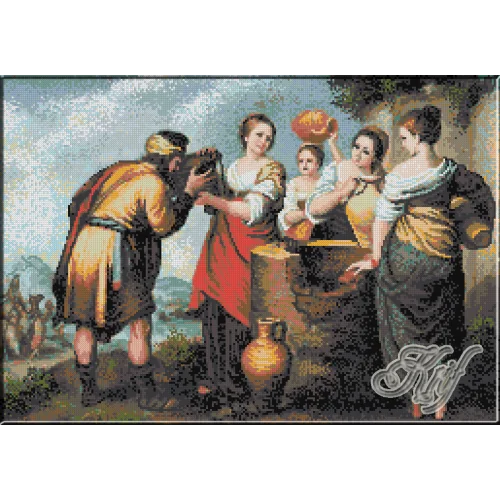
His paintings typically depict religious themes, a reflection of his devotion and the baroque style prevalent during his time. Murillo’s unique approach involved portraying biblical characters with humanity, making them relatable and engaging.
Major Works and Contributions
Murillo’s artistic repertoire includes notable masterpieces such as ‘The Immaculate Conception,’ which highlights his ability to merge spirituality with earthly emotions. His paintings often feature children and the marginalized, showcasing not only religious subjects but the everyday lives of the people of Seville.
The influence of Murillo extends beyond religious canvas; he also developed a talent for portraiture, with portraits of patrons and figures from his era that capture the societal essence of 17th-century Spain. His works can be found in prestigious museums around the globe, including the Museo del Prado in Madrid and the Louvre in Paris.
Legacy and Contemporary Influence
Today, Murillo’s influence is seen in various art movements, and his techniques in chiaroscuro lighting and lively brushwork are studied by aspiring artists worldwide. Recent exhibitions have sought to renew interest in his work, aiming to contextualise it within contemporary discussions about colonialism and identity.
As artists and historians continue to explore Murillo’s contributions, his legacy as a painter who beautifully captured the human condition while maintaining a commitment to his religious upbringing remains significant.
Conclusion
Murillo’s artwork transcends time and geographical boundaries, inviting viewers into the deeper emotional and spiritual experiences of his subjects. As interest in historical art continues to evolve, Bartolomé Esteban Murillo stands as a testament to the enduring power of art, illustrating how creativity can bridge the past with the present. His pieces are not just relics of a bygone era; they are windows into the human spirit that continues to inspire and move audiences to this day.