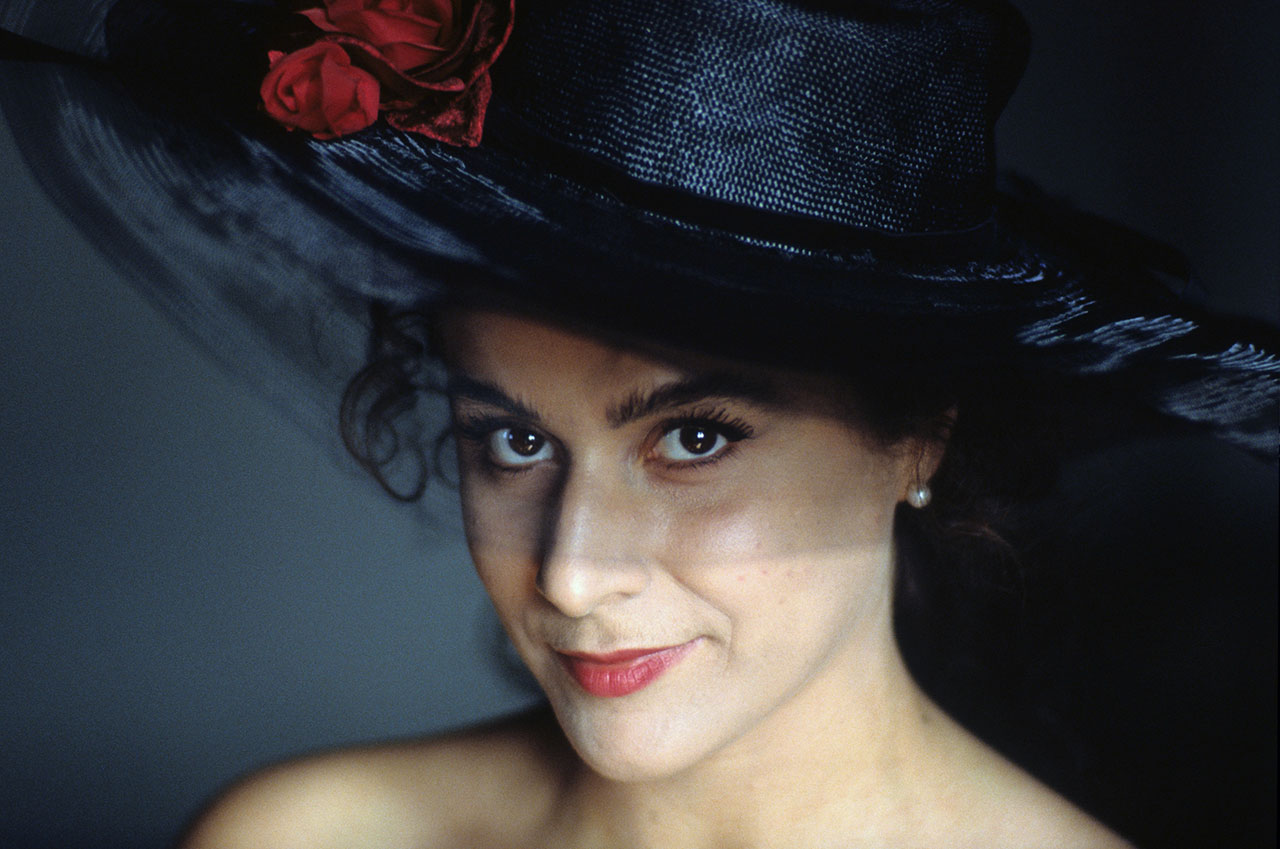
Introduction
Cecilia Bartoli, an Italian mezzo-soprano, has established herself as one of the most celebrated and influential opera singers of her generation. Known for her striking vocal agility and interpretative depth, Bartoli has garnered accolades and captivated audiences worldwide. The significance of her contributions to classical music, especially Baroque and bel canto, is noteworthy as she revives many forgotten works, bringing them to the forefront of modern opera.
Recent Performances and Achievements
In recent months, Bartoli has been actively touring across Europe, performing in prestigious venues such as the Vienna State Opera and the Royal Opera House in London. Her latest performance of “Le Nozze di Figaro” has received rave reviews, showcasing not only her vocal prowess but also her exceptional acting abilities. Critics and audiences alike have praised her rendition of Cherubino, highlighting her ability to convey deep emotion and charm, which are hallmarks of her artistry.
Additionally, Bartoli recently released a new album titled “Baroque Duets” featuring collaborations with other esteemed artists. This album serves to highlight her commitment to the Baroque repertoire and brings attention to lesser-known composers. Fans and classical music enthusiasts are already discussing its potential impact on the industry, as Bartoli continues to push the boundaries of traditional opera.
Influence and Contributions
Beyond her performances, Cecilia Bartoli is also a significant figure in music education and advocacy. She has been instrumental in promoting the works of early music composers, leading to a renewed interest in Baroque and classical music. Her efforts have not only shaped modern opera but also influenced upcoming generations of singers.
Bartoli’s dedication to her craft was recognised recently with the prestigious Lifetime Achievement Award at the International Opera Awards. This accolade underscores her lasting impact on the opera community and her role in inspiring young artists.
Conclusion
The artistry and influence of Cecilia Bartoli will undoubtedly shape the future of opera and classical music. As she continues to explore new musical territories and revive forgotten treasures, audiences are eager to see what she will do next. Her ongoing commitment to enriching the operatic repertoire and her impactful performances reinforce her status as a leading figure in the world of classical music. With future projects on the horizon, including potential collaborations and recordings, Bartoli’s legacy is poised to grow even more significant in the coming years.