Introduction
Coldwater cast fishing has gained remarkable popularity among anglers, particularly in northern regions where temperatures remain low for most of the year. Understanding the intricacies of this technique is crucial for successfully landing fish species like trout, salmon, and perch that thrive in cooler waters. As climate change impacts fish behaviour and water temperatures, mastering coldwater casting techniques has never been more relevant for both recreational and professional anglers.
Understanding Coldwater Casting
Coldwater casting, often referred to as ‘winter fishing,’ typically involves the use of specialized gear suited for lower temperatures. Anglers must be aware of how cold weather affects fish metabolism and behaviour. Fish tend to become less active in colder waters, making them more challenging to catch. Timing becomes crucial; targeting early morning or late evening often yields better results as fish engage in feeding.
Essential Gear for Coldwater Casting
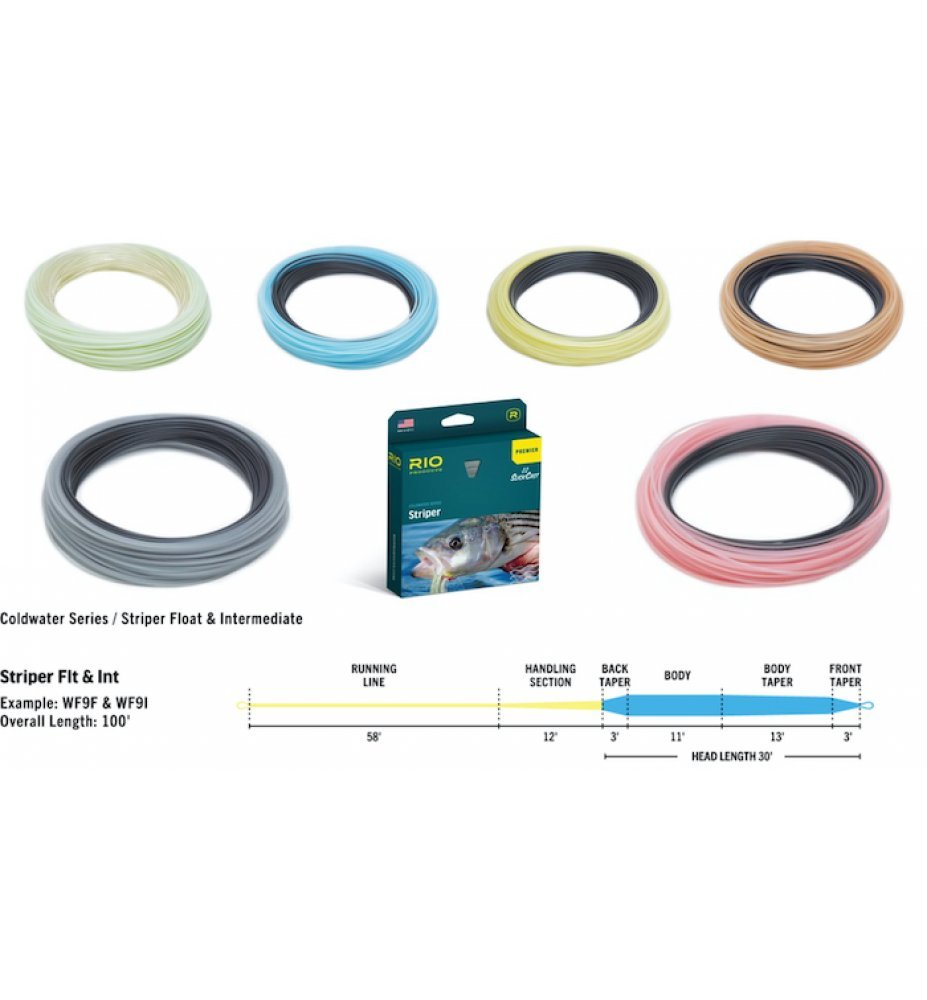
The choice of gear is pivotal in coldwater cast fishing. Lightweight rods paired with sensitive reels allow for better control, while lines suited for lower temperatures help in achieving effective casting. Fluorocarbon lines, for example, are preferred for their lower visibility in clear waters. Additionally, anglers often select bait that mimics the natural forage available during winter months, including small minnows and worms.
Key Techniques
Several techniques can enhance success in coldwater casting. One popular method is the ‘suspending jerkbait’ technique, where anglers use lures that mimic injured fish to attract predatory species. Another effective strategy is ‘float fishing’, where bait is suspended below a float to entice fish that might not be actively feeding. Additionally, maintaining a stealthy approach is vital, as fish can be more easily spooked in colder, clearer waters.
Current Trends and Challenges
As environmental conditions continue to change, anglers are facing new challenges in coldwater fishing. Reports reveal that various fish populations are migrating to adapt to warmer waters, altering traditional fishing hotspots. Furthermore, as climate change results in unpredictable weather patterns, understanding how these changes impact local ecosystems is critical. Innovative techniques, such as using technology for real-time weather and water condition monitoring, have become increasingly relevant in response.
Conclusion
Coldwater casting is a technique steeped in tradition yet evolving with modern fishing practices. For anglers looking to enhance their skills, mastering this art is essential in an ever-changing environmental landscape. By understanding fish behaviour, utilizing appropriate gear, and adapting to current challenges, anglers can ensure successful fishing expeditions in cold waters. Observing how fish populations fluctuate and adapting fishing practices will remain pivotal in maintaining a sustainable interest in coldwater casting.