Introduction: The Impact of the Abraham Accords
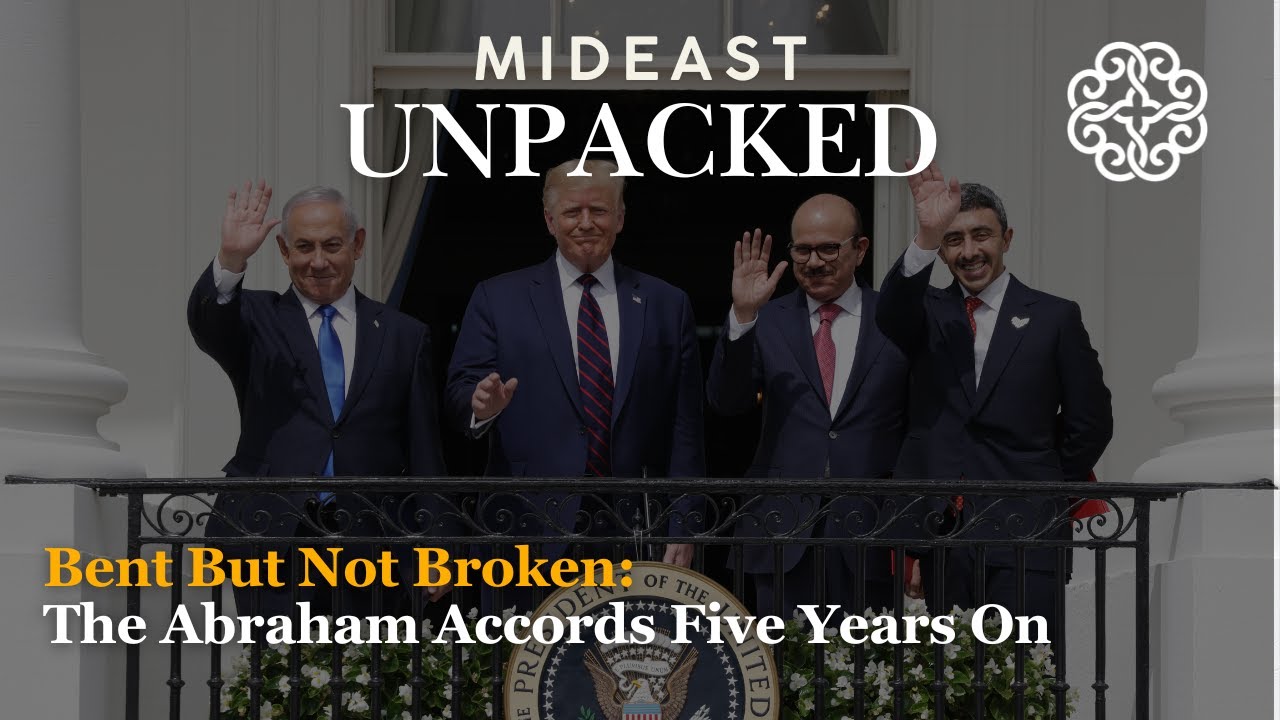
The Abraham Accords, signed in September 2020, mark a pivotal moment in Middle Eastern diplomacy. With the agreement between Israel, the United Arab Emirates (UAE), and Bahrain, it facilitated a significant shift in regional relations and raised hopes for a more peaceful coexistence in a historically conflict-ridden area. As nations consider the implications of these accords, understanding their relevance and impact is crucial for both the region and the wider international community.
Main Body: Key Events and Developments
The accords were facilitated by the Trump administration, aiming to foster peace between Israel and several Arab states. Following the UAE and Bahrain, Sudan and Morocco also joined the agreements, showcasing a growing recognition of Israel by Arab nations. This initiative broke a decades-long paradigm where recognition of Israel was contingent upon the resolution of the Palestinian issue.
Since the inception of the Abraham Accords, there have been various developments that illustrate their effectiveness and challenges. Trade between Israel and the UAE, for instance, has soared, exceeding $1 billion within the first year. Additionally, diplomatic dialogues on security and tourism have become commonplace, with direct flights between Israel and the UAE contributing to increased people-to-people contact.
However, the accords have not been without criticism. The Palestinian leadership condemned the agreements, viewing them as a betrayal of their cause and a breach of solidarity among Arab nations. The geopolitical dynamics in the region remain complex, with ongoing tensions between Israel and various factions, such as Hamas and Hezbollah, illustrating that peace is still an elusive goal.
Conclusion: Significance for the Future
The long-term implications of the Abraham Accords remain to be seen. As more Arab countries contemplate normalising relations with Israel, the potential for a shift in the Israeli-Palestinian conflict dynamics could emerge. However, for true peace to be realised, stakeholders must address core issues surrounding the Palestinian experience and rights. The ongoing dialogue stemming from the accords provides a platform that could lead to broader negotiations, underscoring the accords’ significance in shaping Middle Eastern relations.
In summary, the Abraham Accords are not merely about formalising ties but represent a broader context of changing attitudes in the Arab world towards Israel. The future will reveal whether this shift can lead to lasting peace in the region or whether it will prove another fleeting moment in the complex narrative of Middle Eastern politics.