The numbers
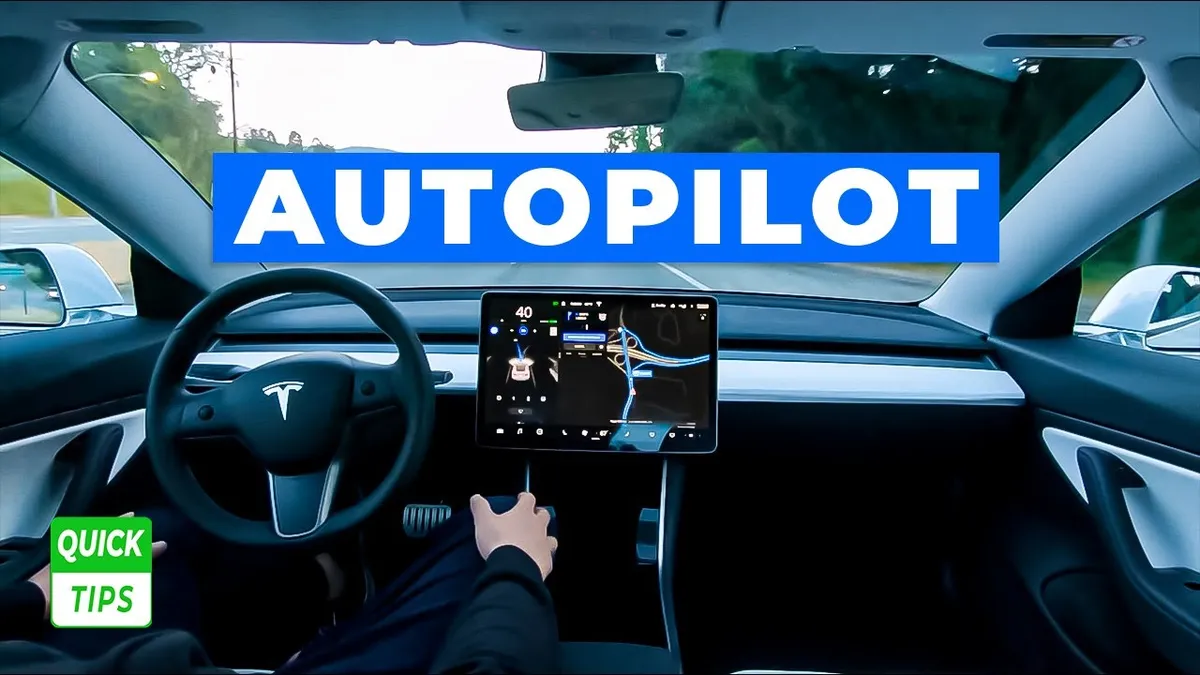
Two Las Vegas residents are suing Tesla after an alleged autopilot malfunction caused their vehicle to make a dangerous turn into oncoming traffic. The incident, which occurred while Simen Ghassan Shamoun was driving a 2024 Tesla Model Y sedan, resulted in significant personal injuries to both men and has raised serious questions about the reliability of Tesla’s driver-assist technology.
The lawsuit, filed in the Clark County District Court, claims strict product liability against Tesla, citing design defects and failure to warn consumers about the potential dangers of the autopilot system. According to the plaintiffs, the autopilot system unexpectedly executed a wide right turn into oncoming traffic, leading to a collision that incurred over $13,000 in medical expenses for Simen Ghassan Shamoun and over $10,000 for his companion, Steven Shamoun.
“This unintended maneuver was not caused by any identifiable hazard, lawful traffic control device, or driver input,” the lawsuit states, highlighting the concerns surrounding the software that controls the steering in Tesla’s autopilot system. This incident is not an isolated case; there is a growing pattern of similar incidents where Tesla owners misuse the automaker’s driver-assist systems, raising alarms about the implications for road safety.
Adding to the complexity of the situation, a recent incident in Vacaville involved a driver who was found passed out behind the wheel of a Tesla while the vehicle was operating in autopilot mode. The driver was arrested for DUI, prompting local police to remind the public that while assistive driving features are available, drivers must remain alert and responsible. “California drivers are permitted to use newer assistive driving safety features in their vehicles. But just like every other driver on the road, they still need to be conscious, alert, and not under the influence while operating them,” stated the Vacaville Police Department.
The community member who called dispatch in Vacaville emphasized the importance of vigilance, remarking, “The community member who called dispatch in Vacaville is the real safety system here, not the car, and definitely not the driver.” This sentiment resonates with many who are concerned about the potential for misuse of advanced driver-assist technologies.
As Tesla continues to market its autopilot system, misconceptions about its capabilities persist. Many consumers may not fully understand the limitations of these systems, which can lead to dangerous situations on the road. The ongoing lawsuit from the Shamouns could serve as a pivotal case in addressing these concerns and holding Tesla accountable for the safety of its technology.
Observers expect that the outcome of this lawsuit may prompt further scrutiny of Tesla’s autopilot system and its marketing practices. As the case unfolds, it remains to be seen how Tesla will respond to the allegations and what implications this may have for the future of autonomous driving technology.
Details remain unconfirmed regarding any potential changes Tesla may implement in response to this incident or the lawsuit. However, the conversation surrounding the safety of driver-assist systems is likely to intensify as more cases come to light, urging both manufacturers and consumers to prioritize safety on the roads.